Best Glue for FRP Panels What Should You Consider?
Choosing the right glue for FRP panels is crucial for durability and performance. According to industry reports, over 70% of construction failures are linked to inadequate adhesive use. This statistic underscores the importance of selecting a high-quality glue specifically designed for fiberglass-reinforced plastic (FRP) panels.
FRP panels are widely utilized in various sectors, including construction, automotive, and marine industries. Using improper adhesives can lead to delamination, cracking, and ultimately, costly repairs. Research indicates that adhesive strength can vary significantly, depending on formulation and application technique. Thus, understanding the properties of glue for FRP panels is essential to ensure optimal bonding.
Many manufacturers emphasize the need for specific formulations that offer moisture resistance, UV stability, and high tensile strength. While there are many options available, not all adhesives deliver the required performance. Evaluating product specifications and application methods can be challenging but necessary. The right choice can enhance not only the longevity of your panels but also overall project success.
Understanding FRP Panels and Their Applications
FRP (Fiberglass Reinforced Plastic) panels are widely used across various industries. Their strength, durability, and resistance to corrosion make them suitable for construction, automotive, and marine applications. According to a report by the Global Composites Market, the demand for FRP products is projected to increase by 5% annually, highlighting their growing significance.
When selecting adhesives for FRP panels, understanding their physical properties is crucial. FRP panels are often lightweight yet strong, making them a popular choice for wall coverings and roofing. A survey conducted by Composites World found that 70% of respondents prefer bonding methods over mechanical fasteners in their projects. This is due to the aesthetics and streamlined appearance that adhesives provide.
Tips: Proper surface preparation can enhance adhesive performance significantly. Clean the surface thoroughly and choose the right adhesive type for your specific application. Test on a small area before full application to prevent regrets later on. Pay attention to curing times as some adhesives require a longer setting period for optimal strength. Failure to adhere to these guidelines may undermine the effectiveness of your project.
Factors to Consider When Choosing Glue for FRP Panels
When selecting glue for FRP panels, it’s crucial to consider several factors. First, the specific application is key. Different environments expose panels to varying conditions. For instance, panels used outdoors face UV exposure, moisture, and temperature fluctuations. The adhesive must endure these stresses without failing.
Next, the viscosity of the glue matters significantly. A thicker adhesive may be required for vertical installations to prevent slipping. Conversely, a thinner consistency can allow for easier application in tight spaces. Consider also the setting time. Quick-setting adhesives can be helpful for rapid projects but may not provide enough working time for adjustments.
Lastly, evaluate the compatibility of the glue with both the FRP material and the substrate. Not all adhesives bond well with all surfaces. Testing small areas before full application can prevent issues down the line. Reflecting on past projects can guide your choice but be mindful of changes in material or environment. Flexibility and thorough evaluation often lead to successful installations.
Types of Adhesives Suitable for FRP Panels
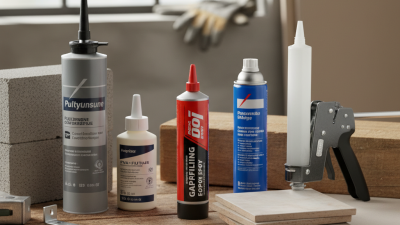
When selecting the right adhesive for FRP (Fiber Reinforced Plastic) panels, understanding the types available is crucial. Common options include epoxy, polyurethane, and acrylic adhesives. Each offers distinct properties suited for varying applications. Epoxy adhesives are known for their strong bonding capabilities. They work well in industrial settings, but their extended curing time can be a drawback.
Polyurethane adhesives provide flexibility, making them ideal for areas exposed to temperature changes. They allow for slight movement, preventing stress on the bond. However, they can be sensitive to moisture during the curing process.
Acrylic adhesives are fast-setting and offer excellent clarity, suitable for aesthetic applications. They bond quickly, which is beneficial in time-sensitive projects. Yet, their durability can sometimes be less than ideal compared to polyurethane or epoxy options. Evaluating the specific conditions of your project is necessary. This could mean adjusting the adhesive choice based on temperature, moisture, or intended use. Understanding these details leads to more effective bonding and better results.
Best Glue for FRP Panels: Types of Adhesives
Application Techniques for Bonding FRP Panels
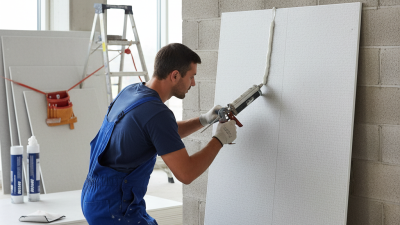
When bonding FRP panels, proper application techniques are crucial. Start by preparing the surfaces thoroughly. Clean the area, removing dust and oils. This ensures optimal adhesion. After cleaning, consider using a primer. A primer can enhance the bond and provide a smoother surface for the adhesive.
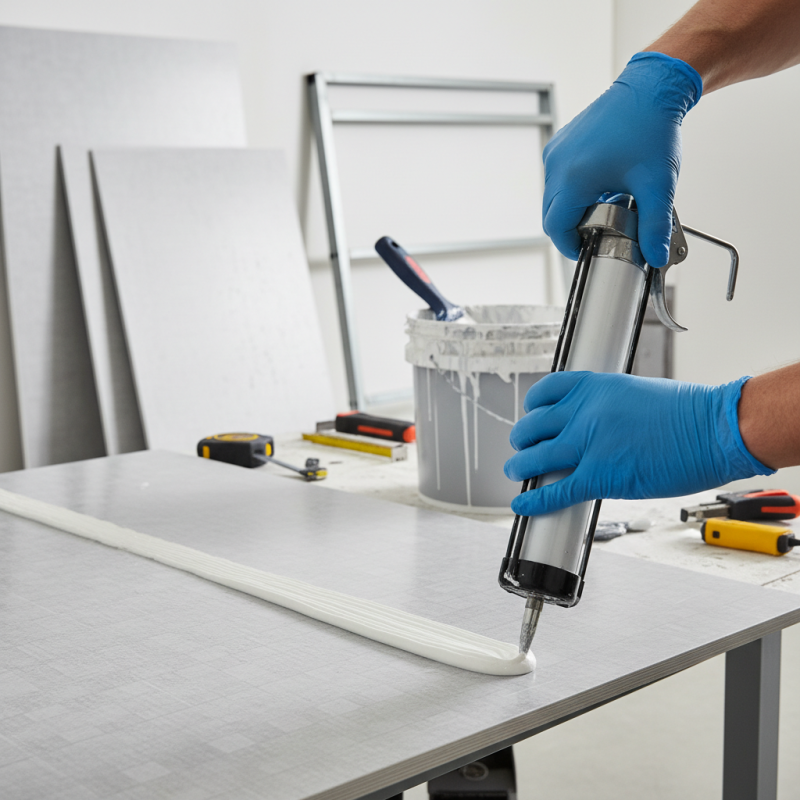
Applying the adhesive requires precision. Use a notched trowel for even distribution. This method prevents air pockets and maximizes contact. Work in sections. This makes it easier to control the adhesive and position the FRP panels accurately. If alignment is off, adjust immediately. The adhesive sets quickly, so haste can lead to poor results.
Always follow the manufacturer’s recommendations. Keep in mind that ambient temperature affects curing time. In colder conditions, the adhesive might take longer to set. This inconsistency can lead to frustration. Pay attention to these details, as they significantly impact the longevity of the bond. Lastly, allow adequate curing time before placing weight or stress on the panels. Each step matters in achieving a secure and lasting bond.
Best Glue for FRP Panels - What Should You Consider? - Application Techniques for Bonding FRP Panels
| Property |
Type of Adhesive |
Drying Time |
Temperature Resistance |
Suitable for Outdoor Use |
| Viscosity |
Epoxy |
24 hours |
Up to 200°F |
Yes |
| Flexibility |
Polyurethane |
12 hours |
Up to 180°F |
Yes |
| Strength |
Acrylic |
1-2 hours |
Up to 150°F |
Yes |
| Bonding Speed |
Silicone |
30 minutes |
Up to 120°F |
Yes |
| Chemical Resistance |
MS Polymer |
24 hours |
Up to 200°F |
Yes |
Safety Considerations When Using Adhesives for FRP Panels
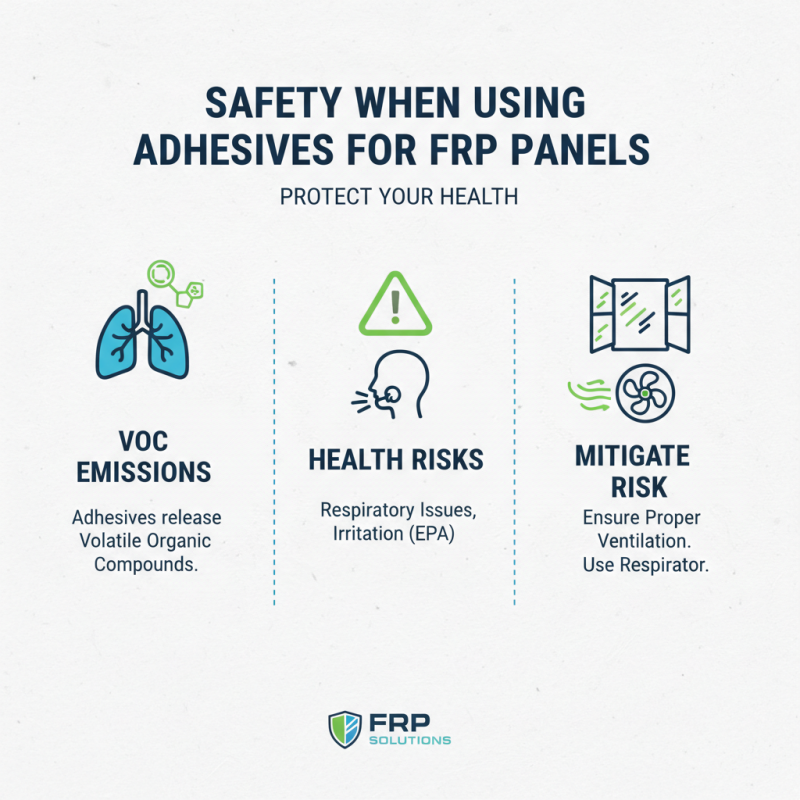
When working with FRP panels, safety should be a top priority. Adhesives can emit volatile organic compounds (VOCs), which can impact air quality. According to the Environmental Protection Agency (EPA), exposure to high levels of VOCs can lead to respiratory issues and other health problems. Always ensure proper ventilation during application to mitigate these risks.
Personal protective equipment (PPE) is essential when applying adhesives. Gloves, safety goggles, and masks can prevent skin and eye irritation. The National Institute for Occupational Safety and Health (NIOSH) recommends using gloves made from materials like nitrile or latex to protect against chemical exposure. Even with these protections, some workers report skin sensitivity from certain adhesives. It’s critical to read safety data sheets (SDS) for every product used.
Training and awareness are also crucial. Workers need to understand the potential hazards associated with FRP adhesives. A study by the American National Standards Institute (ANSI) highlighted that inadequate training often leads to safety incidents in construction. Regular training sessions can help ensure everyone is informed about safe handling practices. Evaluating the workspace for additional safety concerns can further reduce risks and improve overall safety compliance.