China Best No More Nails Adhesive Applications and Benefits Explained?
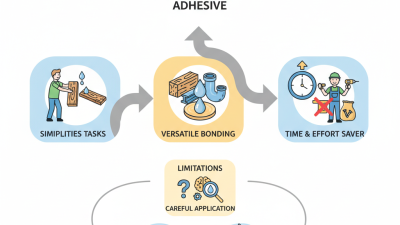
In the world of construction and home improvement, having the right adhesive is crucial. "No More Nails Adhesive" stands out as a versatile solution for various applications. Its unique formulation offers a strong bond without the need for traditional nails or screws. This adhesive is not only convenient but also saves time and effort.
This product is ideal for attaching materials like wood, metal, or plastic. It works exceptionally well for projects where visible fasteners are not desired. Many users appreciate its ease of use, allowing for quick DIY tasks. However, achieving optimal results requires following the manufacturer's instructions closely.
While "No More Nails Adhesive" has many strengths, it's important to acknowledge its limitations. For instance, it may not perform well under very high-stress conditions or extreme temperatures. Users must consider their specific project needs before relying solely on this adhesive. This thoughtful approach can lead to better outcomes and less frustration in the long run.

China's Leading No More Nails Adhesive Products in the Market
When it comes to adhesive solutions, China's market has a variety of leading options for "No More Nails" adhesives. These products are designed for a range of applications, providing reliable bonding for different materials. They're commonly used in construction and home improvement. Users appreciate their ease of use and quick setting times.
In practical applications, these adhesives can bond wood, metal, ceramics, and more. Many people find problems with traditional glue methods, such as lengthy drying times or mess. No More Nails adhesives can minimize these issues. They enable users—both professionals and DIY enthusiasts—to achieve strong bonds without the need for nails or screws. However, some might struggle with application precision, leading to imperfect finishes.
It's crucial to understand that while these products are effective, they require careful handling. Misapplication can lead to failures. Proper surface preparation is key, as dust and moisture can hinder bonding. Thus, using No More Nails adhesives can be ideal, but users should reflect on their techniques for the best results.
Key Applications of No More Nails Adhesives in Various Industries
No More Nails adhesives are transforming various industries with their versatility. In construction, these adhesives bond materials like wood, metal, and ceramics. They reduce the need for mechanical fasteners, speeding up installations. This property is particularly vital in tight spaces where traditional items cannot fit.
In the automotive sector, No More Nails adhesives play a crucial role in assembly. They provide strong, durable bonds that withstand harsh conditions. This ensures that components remain securely attached, enhancing vehicle longevity. However, the challenge lies in selecting the right adhesive for different materials.
The furniture industry also benefits significantly. These adhesives allow for quick assembly and repairs. A user may find that some projects require multiple layers for a stronger hold. This creates room for improvement in application techniques. Overall, while No More Nails adhesives offer numerous advantages, careful consideration is essential for optimal results.
Benefits of Using No More Nails Adhesives Over Traditional Methods
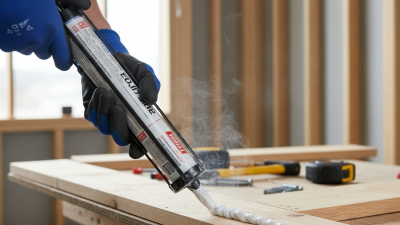
No More Nails adhesives have transformed the way we approach construction and DIY projects. Unlike traditional methods that rely on screws and nails, these adhesives provide a strong bond with a cleaner application. This innovation reduces the mess and time associated with traditional practices.
One significant benefit of No More Nails adhesives is their versatility. They bond various materials, including wood, metal, and even plastic. This is ideal for homeowners and professionals looking to simplify their projects. You can apply the adhesive to vertical surfaces without worrying about items slipping.
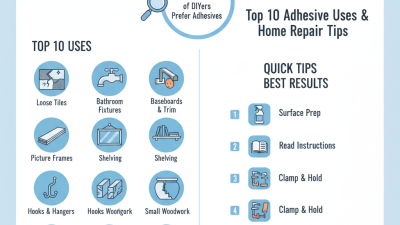
Tips: When using this adhesive, make sure surfaces are clean and dry. Apply in moderate amounts to avoid waste. If the adhesive extrudes from the sides, it’s a sign of using too much. Always follow the manufacturer's instructions for curing times.
In addition, these adhesives are often user-friendly, requiring no special tools. Many projects become manageable with just a tube and some planning. Reflect on this when tackling larger tasks, as gradual application may yield better results. Keep in mind that while the bond is strong, it still requires proper application for lasting effects.
Performance Data: Strength and Durability of No More Nails Adhesives
No More Nails adhesives are gaining popularity for their impressive performance in construction and DIY projects. Their strength and durability make them suitable for various applications, including bonding wood, metal, and ceramics. These adhesives boast a high tack, which ensures a firm grip upon application. The ability to withstand changes in temperature and humidity enhances their longevity.
One key factor is the curing time. No More Nails adhesives typically set quickly, allowing users to move on with their projects without long waits. However, improper application can lead to weak bonds or even failure. It’s crucial to follow the guidelines carefully to maximize their effectiveness.
**Tips:** Ensure surfaces are clean and dry for the best bond. Apply even pressure when joining materials to improve adhesion. Experiment with different techniques to find what works best for your project. Sometimes, re-evaluating your application method can lead to better results. Don't hesitate to practice on scrap materials before tackling your main project.
China Best No More Nails Adhesive Applications and Benefits Explained
| Application |
Materials Compatible |
Cure Time |
Strength (Shear) |
Durability (Years) |
| Woodworking |
Wood, MDF, Plywood |
24 hours |
3500 psi |
10+ |
| Construction |
Concrete, Brick, Stone |
48 hours |
5000 psi |
15+ |
| Indoor Repairs |
Ceramics, Glass, Wood |
2-4 hours |
2000 psi |
5+ |
| Outdoor Projects |
Wood, Metal, PVC |
24-48 hours |
3500 psi |
10+ |
| Craft Projects |
Paper, Fabric, Wood |
1-2 hours |
1500 psi |
3+ |
Environmental Impact and Sustainability of No More Nails Adhesives
No more nails adhesives
offer a range of practical applications. However, their environmental impact and sustainability must be carefully considered. Recent studies indicate that many adhesives contain volatile organic compounds (VOCs), which can harm indoor air quality. The World Health Organization reports that prolonged exposure to high levels of VOCs can cause
respiratory issues and cognitive impairment. This finding raises concerns about the safety of prolonged usage in closed environments.
In terms of sustainability, biodegradable adhesives are emerging. According to a
2021 market analysis, just 5% of adhesives produced globally are derived from renewable sources. This statistic highlights the need for a shift in the industry. While some no more nails options have improved their formulations, the journey toward complete sustainability is ongoing and complex. Many products still rely on
petroleum-based materials, which contribute to environmental degradation.
Consumer awareness is growing. Data shows a 35% increase in demand for
eco-friendly adhesive products since 2020. This shift suggests that the market is changing, albeit slowly. Industry stakeholders must prioritize research and development in sustainable alternatives. The reliance on traditional, non-biodegradable adhesives poses a question for the future of construction and home improvement. This complexity requires ongoing evaluation and innovation.