How to Choose the Best Clear Construction Adhesive for Your Project?
Choosing the right clear construction adhesive is essential for any building project. According to Emily Carter, a leading expert in adhesive technologies, "The right adhesive can make or break your project.” Her words reflect the importance of making informed choices.
Clear construction adhesives come in various formulations. They cater to different materials and project needs. For instance, some are designed for indoor use while others are for outdoor applications. Understanding your specific requirements is crucial. It's also important to test a small area first. Sometimes, what seems like a perfect match may not be.
Many users overlook the curing time and weather resistance. These aspects can significantly impact the adhesive’s performance. A product might initially appear clear and strong but could yellow over time. It's worth reflecting on the long-term ramifications of your choice. A little thought now can prevent future headaches.

Factors to Consider When Selecting Clear Construction Adhesive
Choosing the right clear construction adhesive can be challenging. Several factors influence your decision. Understanding these can help ensure your project’s success.
The type of materials to bond is essential. For example, wood and concrete have different adhesion properties. A report from the Adhesives and Sealants Council indicates that 70% of construction professionals consider material compatibility a top factor in their adhesive selection. The curing time also matters. Some adhesives set within minutes, while others require hours. Knowing your timeline can impact the effectiveness of your project.
Environmental conditions play a crucial role too. Exposure to moisture or extreme temperatures can affect adhesion. A study noted that adhesives exposed to high humidity showed a 50% decrease in bonding strength over time. Reflecting on how conditions will impact your choice is important. Finally, consider cleanup ease. Some adhesives necessitate special solvents or can be easily cleaned with water. A simple choice can save time and effort later.
How to Choose the Best Clear Construction Adhesive for Your Project? - Factors to Consider When Selecting Clear Construction Adhesive
| Factor |
Description |
Importance Level |
Suggested Use Cases |
| Bond Strength |
The amount of force the adhesive can withstand once cured. |
High |
Heavy-duty construction, woodworking. |
| Drying Time |
Time needed for the adhesive to set and cure. |
Medium |
Quick repairs, projects on a tight schedule. |
| Water Resistance |
Ability to resist water exposure without degrading. |
High |
Outdoor projects, humidity-prone areas. |
| Flexibility |
Degree to which the adhesive can withstand movement without breaking. |
Medium |
Applications where materials expand and contract. |
| Clarity |
Visual clarity of the adhesive once cured. |
High |
Transparent bonds needed for aesthetics. |
| Temperature Resistance |
Performance of the adhesive in extreme temperatures. |
Medium |
Use in heated or cooled environments. |
Types of Clear Construction Adhesives and Their Applications
When it comes to clear construction adhesives, understanding different types is vital. These adhesives vary significantly in application and effectiveness. Common types include polyurethane, polyvinyl acetate (PVA), and epoxy. Each type has distinct characteristics suited for different projects. For instance, polyurethane adhesives offer exceptional elasticity and durability. This makes them ideal for bonding materials with different expansion rates.
Polyvinyl acetate, or PVA, is often used for woodworking. It's water-based and provides strong adhesion for porous materials. However, it's not suitable for outdoor applications due to its sensitivity to moisture. Epoxy, on the other hand, is versatile. It can bond metal, wood, and plastics. Its two-part system gives it high tensile strength but requires careful mixing.
Data from industry reports shows that the global adhesive market is expected to reach $75 billion by 2024. This growth reflects the increasing importance of effective adhesives in construction. Yet, despite advancements, some projects still face challenges with bond failures. Selecting the right adhesive involves more than just choice; it requires understanding the specific materials and conditions of each project.
Evaluating the Strength and Durability of Adhesives
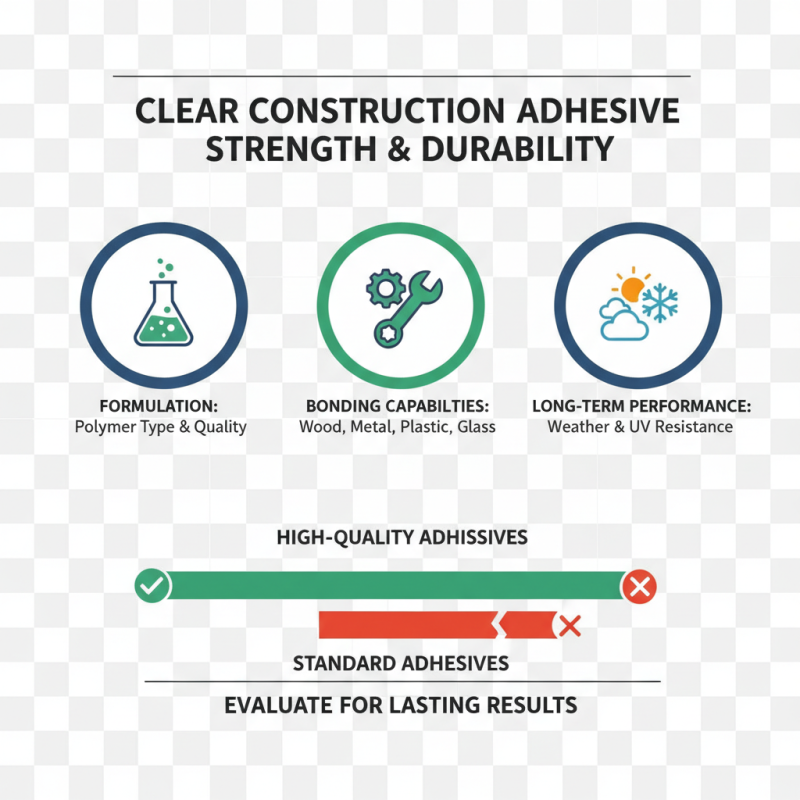
When evaluating the strength and durability of clear construction adhesives, several factors come into play. The adhesive's formulation plays a crucial role in its overall performance. High-quality adhesives can bond various materials, like wood, metal, and plastic. However, not all adhesives are created equal. Some might lose their grip over time, especially in outdoor conditions.
Tips: Always check the adhesive’s resistance to moisture and temperature fluctuations. This can make a significant difference in durability.
Another key aspect is the curing time. Faster curing can be convenient, but it may sacrifice strength. A well-cured adhesive often forms a stronger bond. It's vital to allow adequate curing time according to the manufacturer's instructions. Some adhesive types require specific conditions to achieve their full potential.
Tips: Be mindful of the environment where the adhesive is applied. Humidity and temperature can impact curing. It’s essential to also run tests on scrap materials before the actual project begins.
Considering these factors will help avoid common pitfalls. For some users, the choice may seem simple. Yet, there’s often a learning curve involved. A wrong decision can lead to weak bonds and project failure. Rethinking the approach is crucial for successful outcomes.
Tips for Proper Application of Clear Construction Adhesives
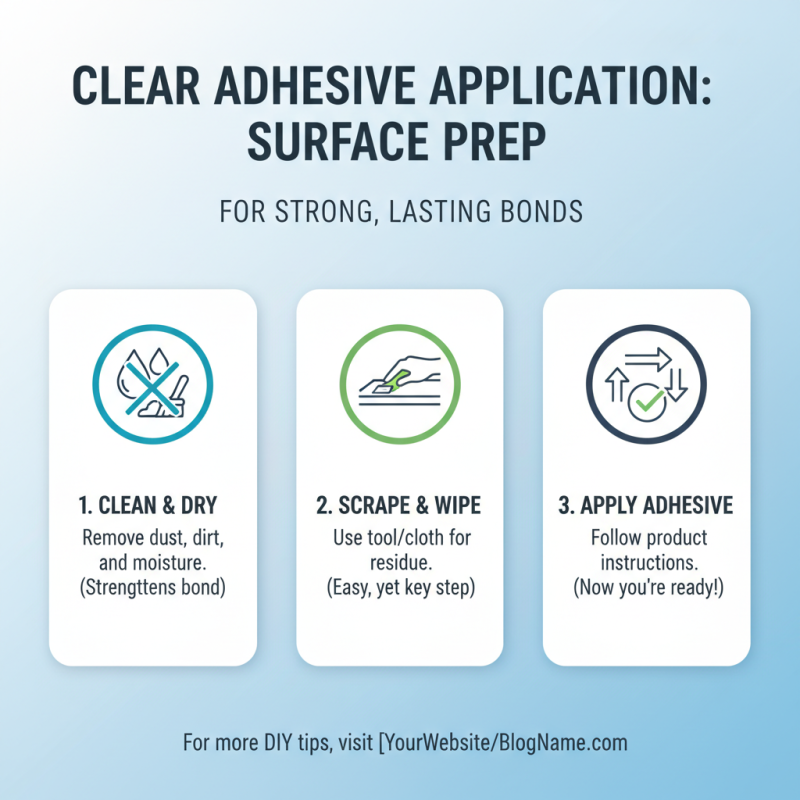
When it comes to applying clear construction adhesives, proper technique is crucial. Start by ensuring the surfaces are clean and dry. Dirt and moisture can weaken bonds. Use a scraper or cloth to remove any dust. It's an easy step but often overlooked.
Be mindful of the temperature and humidity. These factors can affect curing time. In warm, dry conditions, adhesives can set quickly. You might find it hard to adjust if you rush. In cooler, humid environments, the adhesive may take longer to cure. Patience is key.
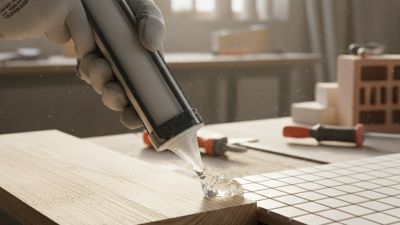
Applying too much adhesive can lead to messy results. Aim for a consistent, thin layer. Excess adhesive can ooze out, creating a difficult cleanup. Test your application technique on a small piece first. Remember, practice makes perfect, even with clear adhesives.
Safety Precautions and Best Practices in Adhesive Use
When working with clear construction adhesives, safety cannot be overlooked. According to the American National Standards Institute (ANSI), over 30% of adhesive-related injuries are due to improper handling. Personal protective equipment (PPE) is a must. Always wear gloves and goggles when applying adhesives. Ventilation is also critical. Strong fumes can irritate lungs and airways.
Workspace organization plays a significant role in safety. Keep your work area tidy. Remove clutter and hazards that can cause spills. Always have a spill kit handy. This preparation can help mitigate some risks associated with adhesive use. The Occupational Safety and Health Administration (OSHA) reports that slips and falls account for nearly 25% of work-related injuries.
Proper storage of adhesives is essential to maintain their effectiveness and safety. Adhesives should be stored in a cool, dry place away from direct sunlight. An industry survey revealed that improper storage can degrade adhesive quality by as much as 20% over time. Regularly check expiration dates and dispose of outdated products carefully, as expired adhesives may not bond correctly and can pose risks during application. Always be aware of the potential hazards involved in using construction adhesives and take necessary precautions.
Adhesive Strength Comparison