Inquiry
Form loading...

How to Choose the Best Water Based Adhesive Sealant?

Water-Based Adhesive Sealant products vary in flexibility, adhesion, drying time, and moisture resistance. Choosing one is not simply a matter of picking the tube with the broadest claims. The right option depends on the materials being joined or sealed, the gap size, and the conditions around the finished joint. Small details count. A sealant intended for indoor trim may not suit a damp bathroom corner or a surface that moves as temperatures change.

Start by checking the product’s technical data sheet and labeled uses. Confirm compatibility with both surfaces, such as wood, concrete, drywall, or painted materials. Then consider whether the joint needs to handle movement, how quickly it must become paintable, and whether it will face routine splashes or prolonged water exposure. Drying and curing are not always the same thing. That distinction can affect scheduling and performance. Not every product fits.

This guide explains how to compare these factors without relying on vague “all-purpose” wording alone. It also covers surface preparation, application conditions, cleanup, and common limitations. Dust, oily residue, or a cold, damp surface can weaken results, even when the product seems suitable on paper. Follow the manufacturer’s instructions, and test an inconspicuous area when the finish or adhesion is uncertain. It is tempting to judge a sealant by how smoothly it comes from the cartridge; that is only one part of the decision. The aim is to find a dependable match for the actual conditions of the job, not merely its shelf description.
How to Choose the Best Water Based Adhesive Sealant?

Understand What Water-Based Adhesive Sealants Are

Water-based adhesive sealants are formulations in which water carries polymer particles and additives. As the water evaporates, the particles join to form a bonded, flexible layer. Common examples use acrylic or latex chemistry. The exact performance depends on the formula, surface, and drying conditions. “Water-based” does not mean waterproof immediately. The fresh bead needs time to dry.

US$16.3 billion

MarketsandMarkets estimated the global water-based adhesives market at this amount in 2022.

MarketsandMarkets estimated the global water-based adhesives market at US$16.3 billion in 2022, projecting US$20.5 billion by 2027. That report covers adhesives, not sealants alone, so it provides context rather than a sealant-market measurement.

In practical use, these products can have lower solvent content than many solvent-based options, but formulations vary. A bead applied between two non-porous surfaces may dry slowly because moisture has nowhere to escape. The label can mislead. Check the technical data sheet for substrate compatibility, service temperature, and cure time.

Tips

Test a small area first. Apply the sealant to clean, dry surfaces, then allow the stated drying time before exposing it to water. A rushed repair may look sound outside while remaining soft underneath.
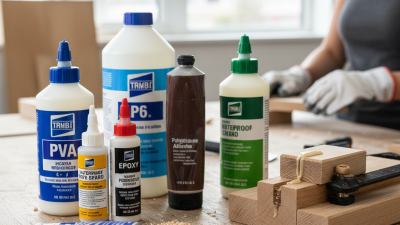
Identify the Materials and Conditions for Your Project

Choosing a water-based adhesive sealant starts with the materials it must join. Identify each surface: wood, plaster, concrete, painted trim, glass, or metal. A porous surface can absorb water from the sealant and support drying, while a smooth, nonporous one may slow it. Check the product’s stated compatibility rather than assuming materials will bond because they look clean. Dust, oil, loose paint, and old sealant can weaken adhesion. Wipe and dry the area as directed. Test first. A small bead on a hidden spot can reveal poor grip, discoloration, or an unexpected finish change.

Next, consider the joint and its surroundings. A narrow crack between fixed trim pieces needs different movement tolerance from a gap around a window frame. Check the stated limits for joint width, movement, indoor or outdoor use, and exposure to water after curing. Conditions matter, too. Cold air, high humidity, and damp surfaces can extend drying time; a thick bead may take longer than a thin one. Follow the package instructions for temperature and ventilation, and avoid sealing over standing water. This part can feel slow. Rushing it often causes problems. If the project includes unusual materials or regular water exposure, verify suitability with the technical data sheet before applying the sealant.

Compare Adhesion, Flexibility, and Water Resistance

Choosing a water-based adhesive sealant means comparing how well it grips, moves, and handles moisture. Adhesion depends on both the formula and the surface. Dust, grease, or a chalky coating can weaken the bond, even when the product is suitable. Clean a small area and let it dry before testing. A peel test after full curing can reveal weak edges.

Flexibility matters where materials expand or shift, such as around window frames or trim. A rigid seal may crack as temperatures change, while a flexible one can accommodate movement. Check the product’s stated movement capability and match it to the joint width. More flexibility is not always better; a joint still needs correct sizing and support. That detail is easy to miss.

Water resistance also varies. Some sealants tolerate splashes after curing but are not designed for constant immersion. Read the curing instructions, since early exposure to water may affect performance. If a joint faces regular rain, inspect a test bead after it has cured and dried. I would not judge it by touch alone; the surface can feel firm while the deeper material is still curing. A small test can prevent a larger repair.

How to Choose the Best Water Based Adhesive Sealant? — Compare Adhesion, Flexibility, and Water Resistance
Sealant Type Typical Adhesion Flexibility After Curing Water Resistance After Curing Paintability Suitable Applications Important Limitations
Standard acrylic latex sealant Good on clean, porous materials such as wood, drywall, and masonry. Low to moderate; best for joints with little movement. Generally suitable for occasional moisture after full cure; not for continuous water exposure. Usually paintable after curing; check the product label. Interior trim, small gaps, and cracks in walls or ceilings. May crack or lose adhesion in moving joints or persistently wet locations.
Siliconized acrylic latex sealant Good on many common building materials, including wood, drywall, and painted surfaces. Moderate; typically accommodates more movement than standard acrylic latex. Typically improved over standard acrylic latex, but suitability for wet areas varies by formulation. Often paintable; confirm compatibility and recommended waiting time. Interior and some sheltered exterior trim, window, and door joints. Not automatically suitable for submerged joints, standing water, or every exterior application.
Elastomeric acrylic sealant Good when applied to sound, clean, compatible surfaces; performance depends on the specific formulation. Moderate to high relative to standard acrylic latex; designed for joints with some movement. Can provide good weather resistance after curing when rated for exterior use; not necessarily suitable for immersion. Many products are paintable; verify the product instructions. Exterior siding, trim, and building joints where the product is specifically rated for the application. Required joint dimensions, movement limits, and curing conditions differ by product.
Water-based acrylic adhesive sealant Can bond well to porous construction materials such as wood, plaster, and masonry. Usually low to moderate; adhesive strength does not necessarily mean high joint flexibility. Often limited before full cure; cured water resistance varies and should be confirmed on the label. Some products are paintable; check the technical data sheet. Bonding and sealing compatible porous materials in interior construction or repair work. May be unsuitable for nonporous substrates, prolonged moisture, or joints that move significantly.
Selection note: These descriptions are typical, not guaranteed ratings. Formulations differ. Check the product label or technical data sheet for approved substrates, joint movement, exterior or wet-area use, paintability, and cure time. Apply to clean, dry surfaces unless the manufacturer specifies otherwise, and allow full curing before water exposure.

Check Application, Curing, and Safety Requirements

Choosing a water-based adhesive sealant starts with the joint, not the label. Check whether it suits porous surfaces, such as plasterboard, or needs a primer on glass and metal. For moving joints, compare the product’s stated movement capability with the expected gap change. ASTM C920 classifies sealants by movement capability; Class 25, for example, accommodates movement of plus or minus 25 percent of the original joint width. That rating is a useful reference, but it does not prove compatibility with every substrate. Test a sample. A neat bead on a clean tile can still fail on dusty masonry.

Curing needs equal attention. Read the technical data sheet for temperature, humidity, bead depth, skin time, and full-cure time; a surface that feels dry may remain soft inside. Cold rooms and deep joints can slow curing. Avoid painting or exposing the sealant to water until the manufacturer’s stated interval has passed. For safety, review the safety data sheet, ventilate the work area, and use the recommended gloves. “Water-based” does not mean emission-free. The WHO’s 2010 indoor-air guideline sets formaldehyde at 0.1 mg/m³ over 30 minutes; this is a health reference, not a sealant certification or product limit. Ventilation matters. If a strong odor persists, pause work and check the product documentation rather than guessing.

Test Compatibility and Select the Right Product

Water-based adhesive sealants can behave differently on painted drywall, raw wood, tile, and metal. Check the product’s stated substrates and intended use before buying. A sealant suited to a bathroom trim joint may not bond well to dusty masonry. Compatibility is specific.

Prepare a small test area on the actual materials. Remove loose paint and dust, then apply a short bead at the planned thickness. Let it cure for the time stated on the label; a dry surface does not always mean the center has cured. Worth the wait. Check for edge lifting, cracks, shrinkage, or a tacky feel. If the joint will be painted, test the chosen paint over a cured sample, too. Different coatings can react in unexpected ways.

Choose the product that performs reliably on your surfaces and suits the joint’s movement and moisture exposure. Compare cleanup instructions and application temperature, not just the word “water-based” on the package. I would not treat one successful bead as proof: repeat the test on each distinct substrate or finish. It takes a little time, and test patches can be imperfect. But an imperfect test is more useful than a neat-looking repair that later pulls away.