How to Choose the Right Construction Glue for Your Projects?
In the diverse world of construction, selecting the right adhesive plays a crucial role. "Construction Glue" is a category that encompasses various types of adhesives designed for different materials and projects. According to a recent report by the Adhesive and Sealant Council, the global adhesive market is expected to reach $60 billion by 2026, indicating a growing reliance on effective bonding solutions in construction.
Expert Jonathan Markham, a renowned adhesive specialist, emphasizes the importance of this choice: “The right construction glue can make or break a project.” His insight highlights the reality that not all adhesives are created equal. Users often overlook factors like substrate compatibility, drying time, and structural integrity. These elements can significantly impact the outcome of a project.
Selecting the best construction glue requires careful consideration. Mistakes may lead to structural failures or costly repairs. It's essential to research different types, their uses, and strengths. Relying on expert advice and product specifications helps avoid common pitfalls. By doing so, professionals can ensure project success and durability, creating lasting structures that meet client expectations.

Understanding the Different Types of Construction Glue available in the Market
When selecting construction glue, it's vital to understand the various types available. Different projects require different adhesive properties. For instance, PVA glue, commonly used in woodworking, offers a strong bond for porous materials. According to a 2022 industry report from Statista, the wood adhesives segment is expected to grow by 4% annually. Its accessibility and ease of use make it a favorite among DIY enthusiasts.
Polyurethane adhesives are another option. They are known for their versatility and strong bonding capabilities. They work well with wood, metal, and even plastic. A study published in the Journal of Adhesion Science and Technology indicates that polyurethane adhesives can bond materials with a tensile strength of up to 20 MPa. However, they can be challenging to work with due to lengthy curing times and potential foaming.
For heavy-duty projects, epoxy adhesives provide exceptional strength. They are resistant to temperature changes and moisture. However, this strength comes with a complexity that requires mixing. In practice, users often report difficulties in achieving the perfect mix ratio. Mistakes in this area can lead to subpar results. Each adhesive type has unique benefits and challenges, making it crucial to choose wisely based on your specific needs. Understanding these factors is essential before embarking on your construction project.
Key Properties to Consider When Choosing Construction Adhesives for Your Project
Choosing the right construction adhesive can significantly impact your project's outcome. When evaluating adhesives, several key properties play a crucial role. First, consider the materials you will bond. Different adhesives work on various surfaces, such as wood, metal, or plastic. Identifying the material compatibility can prevent future failures.
Another essential property is the adhesive’s strength. Adhesives vary in bond strength, influenced by the formulation. For heavy-duty applications, a high-strength adhesive is necessary. In contrast, light-duty projects may benefit from a weaker adhesive. It’s vital to match the adhesive strength to the demands of your project.
Lastly, curing time matters. Some adhesives cure quickly, while others take longer. Understanding your timeline helps in making the best choice. Immediate bonding will aid fast-paced projects. Meanwhile, a longer curing process might allow for adjustments. Always test the adhesive on scrap surfaces if possible. Experimenting can sometimes yield surprising results. Make notes on what works and what doesn't, as this will guide future projects.
Evaluating Strength: Shear, Tensile, and Peel Strength in Adhesives
When selecting construction glue, understanding adhesive strength is crucial. Three key measures define glue performance: shear strength, tensile strength, and peel strength. Shear strength indicates how well the adhesive resists sliding forces. It’s especially important in vertical applications where the glue must hold materials under weight. Ensuring the right shear strength can prevent structural failures.
Tensile strength measures how much pulling force the adhesive can withstand. This aspect is vital in situations like hanging shelves. It is essential to consider the materials being bonded. Some materials may require a stronger tensile bond to prevent separation. On the other hand, peel strength refers to the adhesive's resistance to peeling or separation. This is particularly relevant in applications where the bond is subject to stress at an angle.
Choosing the right glue involves evaluating these strengths while considering project specifics. Not every glue will perform effectively for all applications. Sometimes, a product might seem ideal based on one strength alone. However, its performance could falter under different stress types. It’s beneficial to consult guides or experts who understand material interactions. Balancing these factors leads to better project outcomes.
Environmental Impact and Safety Standards for Construction Glues
Choosing the right construction glue involves understanding its environmental impact and safety standards. Many adhesives contain volatile organic compounds (VOCs) that can harm air quality. According to a study by the Green Building Council, adhesives can emit harmful substances for years. This long-term effect is crucial when considering materials for sustainable projects.
Safety standards, such as the ASTM D4236, help ensure that glues are safe for use. Always check if the product adheres to relevant safety guidelines. Be aware that not all glues labeled as “eco-friendly” meet stringent environmental criteria.
**Tips:** Choose low-VOC or VOC-free options whenever possible. Research the environmental certifications of the glue you're considering. Remember, not every glue is suitable for all applications. Your choice should be specific to your project needs. Take time to read material safety data sheets (MSDS) to understand potential risks and proper handling.
How to Choose the Right Construction Glue for Your Projects? - Environmental Impact and Safety Standards for Construction Glues
| Glue Type |
Environmental Impact |
Safety Standards |
Best Use Cases |
| PVA Glue (Polyvinyl Acetate) |
Low VOC, non-toxic when dried |
ASTM D4236 compliant |
Woodworking, paper projects |
| Polyurethane Glue |
Moderate VOC, needs ventilation |
OSHA compliant |
Wood, metal, and stone |
| Epoxy Glue |
Low emissions, must be handled with care |
FDA standards for food safety |
Metal, ceramics, and plastic repairs |
| Contact Cement |
High VOC, requires proper ventilation |
EPA regulations |
Laminate and heavy-duty projects |
| Hot Glue |
Generally low VOC, but can be toxic when heated |
No specific safety standard, use caution |
Crafts and temporary bonding |
Application Methods and Tips for Optimal Results with Construction Adhesives
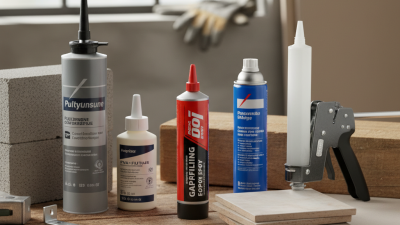
When working with construction adhesives, application methods play a crucial role in achieving strong bonds. One effective method is using a caulking gun, which allows for controlled application.
Ensure that the surface is clean and dry before applying the adhesive. A clean surface promotes better adhesion and longevity. If the materials are porous, consider pre-wetting them to enhance the bond strength. Small details can make a significant difference.
Another useful tip is to apply pressure once the adhesive is in place. For heavier materials, using clamps can provide added stability. This method ensures the items stay in contact as the adhesive cures. Be aware that different adhesives may require different drying times. Inadequate curing can lead to failures in the bond later on.
Pay attention to the temperature and humidity during application. Extreme conditions can affect adhesive performance. It’s vital to follow the manufacturer’s guidelines for optimal results. Testing the adhesive on small samples can help identify potential issues.
Reflect on the techniques used to enhance future applications; learning from experience is key to mastering adhesive projects.