10 Essential Tips for Using Construction Adhesive Effectively?
When embarking on a construction project, the right materials can make all the difference. One vital component is Construction Adhesive. This versatile substance is used in various applications, from woodworking to home renovations. It provides strength and durability when bonding materials, making it a favorite among professionals and DIY enthusiasts alike.
However, not all adhesives are created equal. Using Construction Adhesive effectively requires knowledge and skill. An improper application could lead to weak bonds or damaged surfaces. It’s essential to understand the characteristics of different adhesives and their best uses. Choosing the right type is just the beginning of the journey.
Many people overlook the importance of surface preparation. Poorly treated areas can compromise the bond. It's also crucial to consider environmental factors, such as temperature and humidity. These details can significantly affect the adhesive’s performance. By being aware of these aspects, users can achieve stronger, more reliable results. Understanding these fundamentals will ensure your projects stand the test of time.
Understanding Different Types of Construction Adhesives Available
When approaching construction projects, understanding the various types of construction adhesives is crucial. Different adhesives serve specific purposes. For example, polyurethanes, known for their flexibility, are ideal for materials that expand and contract. On the other hand, epoxy adhesives offer strong bonds, particularly in structural applications. According to a report by the Adhesive and Sealant Council, about 40% of professionals prefer polyurethane adhesives for outdoor projects due to their durability.
Water-based adhesives are another option. They are less toxic and easier to clean, making them suitable for interior applications. A study indicates that water-based adhesives are gaining popularity, accounting for over 30% of the market share. However, some may not provide the same level of bond strength as their solvent-based counterparts. This highlights the importance of selecting the right adhesive for each task.
Moreover, installers often face challenges when using adhesives. Improper surface preparation can lead to weak bonds. Adhesives should be applied in the right conditions, as temperature and humidity affect performance. Failure to observe these factors can result in adhesive failure, compromising project integrity. Inadequate knowledge about the adhesive type can undermine the quality of work. Education on adhesive properties is essential for achieving optimal results.
Preparing Surfaces for Optimal Adhesion
Preparing surfaces properly is crucial for achieving optimal adhesion with construction adhesive. A clean surface ensures that the adhesive can form a strong bond. Dirt, dust, or grease can weaken the adhesion. Always wipe surfaces with a clean cloth before applying adhesive. Sometimes, using a gentle detergent can help remove stubborn residues. Just remember to rinse and dry the surface thoroughly afterward.
Additionally, rough surfaces tend to provide better adhesion. If working with wood or concrete, consider sanding the surface lightly. This creates more texture for the adhesive to grip. However, be cautious not to over-sand, as that can create smooth patches which are ineffective. I once used an adhesive on freshly sanded wood, but I missed an area and faced issues later. Every error offers a lesson.
Humidity and temperature also affect the adhesion process. Ensure your workspace is within recommended conditions. In colder environments, adhesives might not cure properly. Yet, it's sometimes challenging to maintain perfect conditions. I've often dealt with unexpected humidity levels. Each project teaches me the importance of preparation and adaptability.
10 Essential Tips for Using Construction Adhesive Effectively
| Tip Number |
Tip |
Description |
| 1 |
Clean Surfaces |
Ensure all surfaces are free from dust, oil, and debris for better adhesion. |
| 2 |
Choose the Right Adhesive |
Select an adhesive suitable for the materials you’re bonding. |
| 3 |
Temperature Matters |
Apply adhesive in the recommended temperature range for optimal performance. |
| 4 |
Test a Small Area |
Before full application, test adhesive on a small area to ensure compatibility. |
| 5 |
Use Proper Application Technique |
Follow the manufacturer's instructions for the best application method. |
| 6 |
Allow for Cure Time |
Do not disturb the bond until it has fully cured as per the instructions. |
| 7 |
Store Adhesives Properly |
Keep adhesives in a cool, dry place to maintain their effectiveness. |
| 8 |
Check Expiration Dates |
Always check the expiration date to ensure maximum adhesion performance. |
| 9 |
Avoid Over Application |
Apply an even coat to prevent mess and ensure proper bonding. |
| 10 |
Wear Protective Gear |
Always wear gloves and goggles when using adhesives for safety. |
Applying Construction Adhesive: Techniques and Best Practices
When applying construction adhesive, it's crucial to understand the surface conditions and bonding requirements. The best practices include ensuring surfaces are clean and dry. Even the slightest dirt can undermine adhesion quality. In a survey by the Adhesive and Sealant Council, about 25% of failed adhesive applications reported insufficient surface preparation. This shows the importance of proper groundwork.
Temperature also plays a significant role. Most adhesives perform best at room temperature, around 70°F. For every 10°F drop, curing time can increase significantly. According to a study by a leading construction research firm, improper temperature management can lower adhesive bond strength by up to 50%. Applying adhesive in controlled environmental conditions enhances performance.
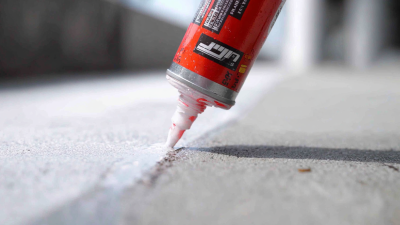
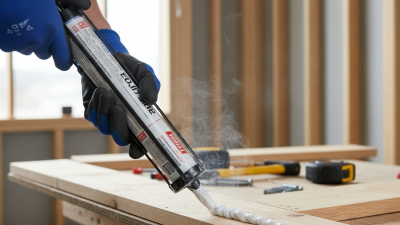
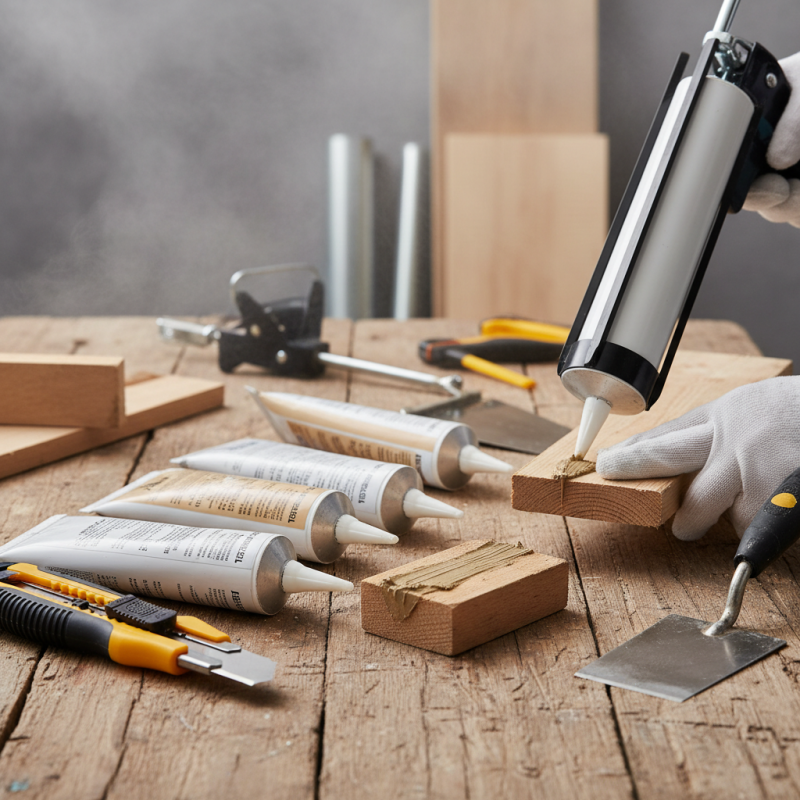
Caulking guns or brushes can be used for application, depending on the project's scale. For small jobs, brushes provide even coverage. However, caulking guns are more effective for larger applications. A common misstep is over-applying adhesive. Excess can lead to unintended mess and diminished bonding. Additionally, time and pressure during assembly are important. Not applying adequate pressure can lead to gaps, which compromise strength. Understanding and refining these techniques are essential for successful outcomes.
10 Essential Tips for Using Construction Adhesive Effectively
Curing Times and Factors Affecting Adhesive Performance
Curing times for construction adhesive can vary widely.
Factors such as temperature, humidity, and the type of material being bonded play significant roles.
High humidity can slow down the curing process. Similarly, colder temperatures can extend the time adhesives need to set.
It's important to monitor these environmental factors closely.
Understanding the specific adhesive's requirements is crucial. Not all adhesives cure the same way.
Some may set in minutes, while others may take hours or even days.
Inadequate curing can lead to weak bonds.
This can result in unexpected failures, causing frustration and additional costs.
Always apply adhesives in optimal conditions. If the workspace is too cold or damp, consider using heaters or dehumidifiers.
Be aware of the adhesive's guidelines for best results.
Sometimes, it's about trial and error. Reflecting on past projects can provide valuable insights.
Adjusting your approach based on prior experiences can enhance future applications.
Safety Precautions When Using Construction Adhesives
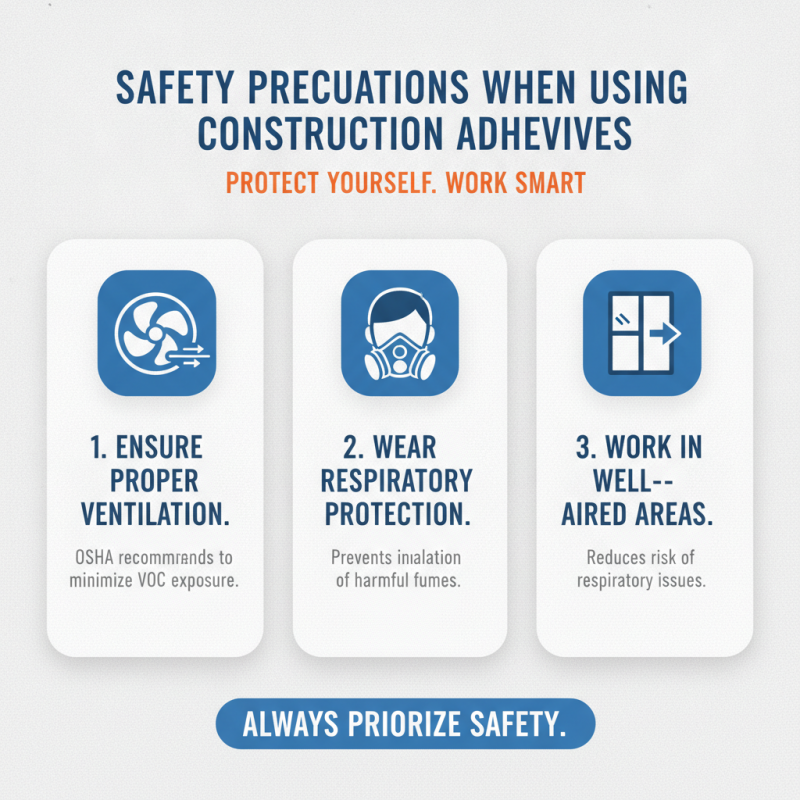
When working with construction adhesives, safety should always be a top priority. According to the Occupational Safety and Health Administration (OSHA), proper ventilation is crucial when using these products. Many adhesives emit volatile organic compounds (VOCs) that can lead to respiratory issues. Always wear a mask and ensure the area is well-ventilated to minimize exposure.
Protective gear is essential. Gloves help prevent skin irritation, while goggles shield your eyes from splashes. Data from the National Institute for Occupational Safety and Health (NIOSH) shows that improper use of adhesives can result in injuries, making protective equipment a must-have. It might feel cumbersome at first, but proper gear can save you from painful accidents.
Using construction adhesives doesn't come without risks. Each type has different safety data requirements. Familiarizing yourself with these before starting is advisable. Inadequate knowledge can lead to misapplication and health hazards. The construction industry reported thousands of adhesive-related injuries last year, highlighting the need for caution in every project. Always prioritize understanding guidelines and safety data sheets before using these powerful materials.