Top 10 Construction Adhesive Glue Options for Global Buyers?
The construction industry demands reliable materials. Among these, Construction Adhesive Glue stands out for its versatility. It helps in bonding a variety of surfaces, from wood to metal. Choosing the right adhesive can be daunting for global buyers.
In a world of endless options, not all glues are created equal. Factors like drying time, strength, and resistance to elements matter. Buyers often face challenges in identifying adhesives that are safe and effective. Therefore, understanding the top options available is essential.
This article explores the ten best construction adhesive glue options for buyers worldwide. Each choice is backed by expert insights and user experiences. We aim to provide a balanced view of these products, highlighting what works and what requires further consideration. Dive in to discover the optimal glue solutions for your construction needs.
Overview of Construction Adhesive Glue Types and Their Uses
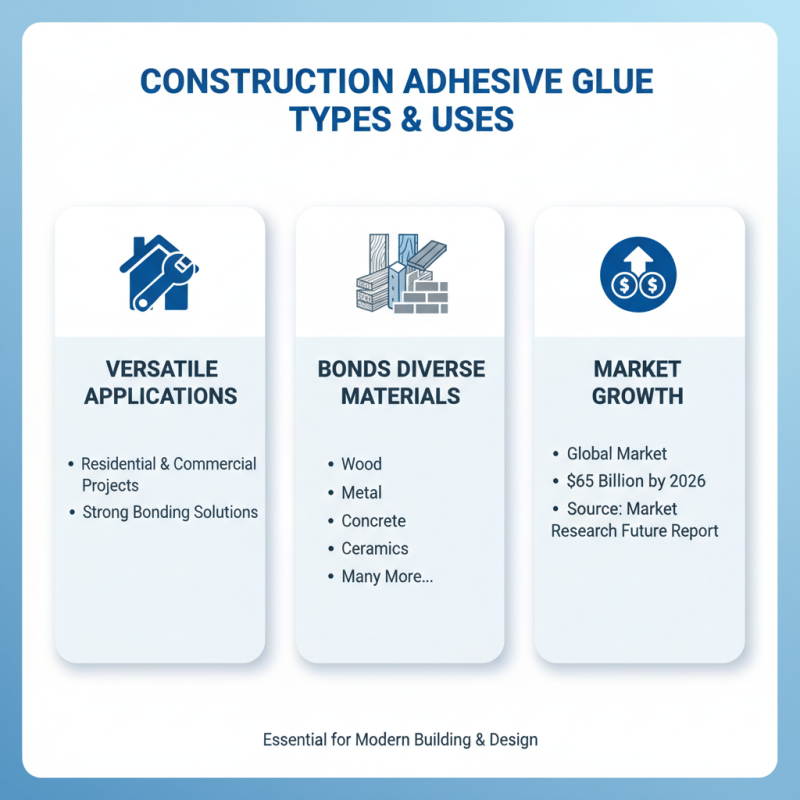
Construction adhesive glues serve a vital role in various sectors, including residential and commercial projects. They provide effective bonding solutions for materials such as wood, metal, concrete, and ceramics. According to a recent report by Market Research Future, the global adhesive market is projected to reach $65 billion by 2026, indicating significant growth and demand.
Different types of adhesives cater to specific applications. For instance, polyurethane adhesives offer versatility and strong bonds for outdoor use. They withstand moisture and temperature fluctuations well. On the other hand, epoxy adhesives excel in structural applications due to their high strength and durability. A study from the Adhesive and Sealant Council suggested that construction adhesives constitute about 16% of the adhesive market, emphasizing their importance in construction and manufacturing.
Users should be cautious, as not all adhesives are suitable for every project. Proper surface preparation is crucial for achieving optimal adhesion. Adhesives can vary widely in curing times and temperature resistance. A mismatch can lead to weakening of joints and potential project failure. Ensuring the right choice and application method is essential for long-lasting results.
Key Factors to Consider When Choosing Construction Adhesives
Choosing the right construction adhesive is crucial for project success. Many factors influence this decision. Consider the substrate materials involved. Different adhesives perform better with specific surfaces. Wood, metal, and concrete all require unique bonding solutions. Always check compatibility before making a choice.
Next, think about environmental factors. Temperature and humidity can affect adhesion. Some adhesives perform exceptionally well in extreme conditions. Others may fail under stress. Assess where the adhesive will be applied. Interior and exterior settings demand different adhesion properties.
Finally, consider the curing time. Some adhesives set quickly, while others require longer to bond fully. This can impact project timelines. Analyze how fast you need results. A slow-setting adhesive might be better for larger projects where adjustments are necessary. Reflect on these criteria to make an informed choice.
Top 10 Recommended Construction Adhesive Products for Professionals
Choosing the right construction adhesive can significantly impact project outcomes. Many options suit various materials and conditions. Professionals often seek versatility, curing time, and bonding strength. Some adhesives excel in extreme conditions, while others are designed for quick fixes. It's crucial to consider factors like temperature and moisture exposure.
Understanding specific needs is vital. Some users prioritize ease of use, while others value long-lasting bonds. The selection process might seem daunting, especially with numerous products available. Misjudging the suitable adhesive can lead to bond failures, ultimately wasting time and resources. Testing different adhesives on sample materials before the final application is wise.
In the construction industry, knowledge sharing is key. Many professionals exchange experiences regarding different products. This collective expertise helps buyers make informed decisions. Personal trials reflect individual preferences, offering valuable insights. It’s not just about the product; it’s about finding the right match for each unique situation. Admitting limitations in experience can foster growth and better results in future projects.
Application Techniques and Best Practices for Using Construction Glue
When using construction adhesive, it's essential to prepare the surfaces properly. Clean them thoroughly to remove dust, grease, and old adhesive. Roughening smooth surfaces can enhance adhesion. Use a scraper or sandpaper for this task. For better results, apply a primer if needed. It’s a simple step that can make a noticeable difference.
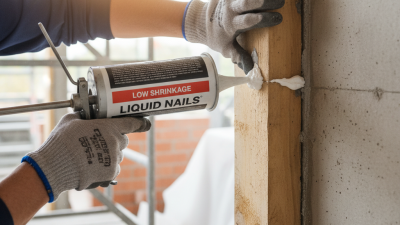
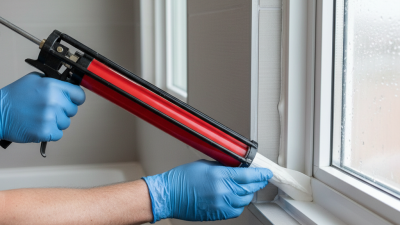
Application techniques also play a crucial role. Use a caulking gun to apply the adhesive evenly. This ensures consistent coverage. Be mindful of the amount; too much can create a mess, while too little may lead to weak bonds. Press the materials firmly together after application. You may need to clamp them for a specific time, depending on the adhesive type.
Do not overlook curing time. Patience is key here. Some adhesives may bond quickly, but others require more time to set. Follow the manufacturer’s instructions closely. Check for any adhesive overflow after clamping. It's a common issue that can be easily cleaned up, but it’s best to address it immediately. Being thorough in these steps ensures a strong, lasting bond in your construction projects.
Environmental Considerations and Safety Measures for Adhesives
When selecting construction adhesives, environmental considerations are paramount. Many adhesives contain volatile organic compounds (VOCs) that can harm air quality. Opting for low-VOC or zero-VOC options minimizes this impact. Companies should prioritize products that are certified for environmental safety. These certifications indicate compliance with rigorous standards.
Safety measures must also be a priority during usage. Proper ventilation is crucial when applying adhesives. This reduces the risk of inhalation and exposure. Users should wear appropriate personal protective equipment (PPE) such as gloves, goggles, and masks. Even eco-friendly adhesives may cause irritation. It’s important to read safety data sheets thoroughly. Understanding the properties of the adhesive can prevent accidents.
Awareness of disposal methods is equally important. Improper disposal can lead to long-term environmental damage. Users should follow local guidelines for hazardous waste. Reflecting on these aspects is vital. The construction industry often overlooks these details, but they can make a significant difference. Environmental awareness in adhesive usage is not just ethical; it is essential for future sustainability.
Top 10 Construction Adhesive Glue Options for Global Buyers