Top Construction Glue For Wood Options in 2026 What Should You Choose?
In the ever-evolving landscape of woodworking, selecting the right Construction Glue For Wood is critical. The global adhesive market is projected to reach $60 billion by 2026, with woodworking adhesives accounting for a significant share. This reflects a growing demand for high-performance glues in construction and craftsmanship. However, not all adhesives deliver excellence.
Choosing the best glue requires understanding your project. Wood type, climate, and application method all influence success. Polyurethane and PVA glues are popular, yet their performance can vary. Industry studies reveal that a poorly chosen adhesive can lead to joint failure and increased costs. It's essential to consider durability and setting time when making your choice.
As we approach 2026, innovation in adhesive technology continues. New formulations promise better bonding and ease of use. Yet, with so many options available, it can be overwhelming. Evaluating products based on user reviews and expert recommendations is vital. Keep in mind that what works perfectly in one scenario may not be the best choice in another. This highlights the need for careful consideration and knowledge in your selection process.
Overview of Wood Adhesives in Construction
Wood adhesives play a crucial role in the construction industry. They are essential for joinery, cabinetry, and structural applications. The market for wood adhesives is expected to reach $15 billion by 2026, driven by increased construction demand. Factors such as sustainability and performance are shaping adhesive selection.
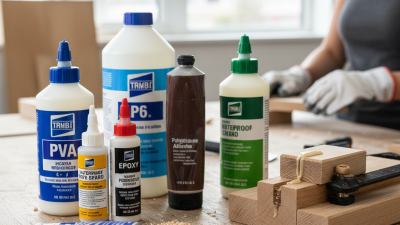
There are various types of wood adhesives, including PVA, polyurethane, and epoxy. Each type serves different needs in construction. For example, PVA offers ease of use and good bonding strength. However, it may not perform well in high-moisture environments. On the other hand, polyurethane adhesives excel in toughness and water resistance but can be more challenging to work with due to longer curing times.
Recent studies show that nearly 70% of contractors prefer eco-friendly adhesive options. This shift reflects a growing awareness of environmental impact and safety. Not all wood adhesives provide the same level of reliability. Performance issues can arise from improper application or compatibility with substrates. Therefore, understanding the properties and limitations of each adhesive type is vital for successful wood construction projects.
Key Factors to Consider When Choosing Construction Glue
When choosing construction glue for wood, several key factors come into play. The adhesive's strength must be considered, as it affects the longevity of your projects. According to a report from the Adhesive and Sealant Council, the wood adhesive market is expected to grow by over 5% annually by 2026. This growth highlights the increasing demand for reliable adhesives in construction.
Another critical aspect is drying time. Some glues set quickly, allowing for faster project completion. Others may require longer curing times, which can be inconvenient. Research indicates that user satisfaction often hinges on balancing adhesive performance with drying speed. Additionally, the adhesive’s resistance to moisture and temperature changes is crucial for lasting durability.
Environmental factors also deserve attention. Many consumers are now leaning towards low-VOC adhesives for health and safety reasons. A study published by the Environmental Protection Agency showed that exposure to high-VOC products can lead to severe health issues. Be mindful of these factors when making your choice. Consider testing a few options on small projects to gauge performance and suitability before committing to larger tasks.
Top Construction Glue Options for Wood in 2026
When selecting construction glue for wood in 2026, consider versatility and strength. A good glue should bond well with various types of wood. It should also cater to both indoor and outdoor projects. Look for options that resist moisture and extreme temperatures. This adds durability to your projects.
Each glue type offers unique properties. Some glues are excellent for quick fixes. Others provide a long-lasting bond. Testing a small area before full application can be enlightening. You may find that specific adhesives work better than expected, or vice versa.
Remember that not all glues are created equal. Proper application enhances performance. Clamping the pieces together while drying can improve the bond. Be prepared for occasional challenges. A glue that works flawlessly in one situation might not perform well in another. Experimentation could lead to better choices in the future.
Comparative Analysis of Strength and Durability
When it comes to choosing construction glue for wood, strength and durability are key. Many adhesives provide varying levels of bonding strength. A glue’s ability to endure stress, moisture, and temperature fluctuations often defines its effectiveness. For robust wood projects, selecting the right adhesive ensures long-lasting results.
Different wood materials require different adhesives. Some glues perform better on softwoods, while others excel with hardwoods. The curing time is an essential factor. Fast-curing glues can be convenient, but they may not penetrate the wood fibers effectively. Take your time to choose the right adhesive that meets your project demands.
Tips: Always test the adhesive on a small, inconspicuous area. This test can reveal how well the glue interacts with the wood. Keep in mind that some adhesives release harmful fumes. Ensure your workspace is well-ventilated to avoid health risks. Look for adhesives that provide a lasting bond even under challenging conditions.
Environmental Impact and Safety Considerations in Adhesives
When selecting construction glue for wood, it's crucial to consider environmental impact. Many adhesives release volatile organic compounds (VOCs). These compounds can harm indoor air quality. It's important to choose low-VOC options. They are safer for both your health and the planet.
Safety considerations also extend to the application process. Some glues can cause skin irritation or respiratory issues. Look for products with clear safety instructions. Always use personal protective equipment. This includes gloves and masks during application.
While stronger adhesives may seem appealing, they often come with trade-offs. These strong bonds can make future repairs challenging. Re-evaluating your choice may be necessary. Consider how the adhesive affects not just your project, but the environment too. Thoughtful selection is essential for sustainable building practices.