Top 10 No Nails Adhesive Solutions for Global Buyers?
In today's fast-paced world, finding effective adhesive solutions is crucial. The demand for reliable options like "No Nails Adhesive" is rising. These adhesives offer strength without the need for traditional fasteners. Global buyers seek products that simplify their projects while ensuring durability.
No Nails Adhesive solutions cater to various applications. From home repairs to construction needs, they are versatile. Many users appreciate the clean application process and the reduced mess. However, not every product in this category meets expectations. Some may struggle with longevity or extreme conditions.
Choosing the right No Nails Adhesive requires careful consideration. Users should test different brands and formulations. Reviews and expert opinions can guide this process. Ultimately, the goal is to find a solution that instills confidence and reliability.
Overview of No Nails Adhesive Solutions
No nails adhesive solutions have become popular in various applications. They provide strong bonding without the need for traditional fasteners. These adhesives are easy to apply and often cure quickly, making them convenient for users.
Many types of no nails adhesives exist. Some are designed for light-duty tasks, while others can handle heavy materials. For example, some formulations work well on wood and metal, maintaining flexibility over time. Users appreciate how these adhesives resist water and temperature changes. It's essential to match the adhesive type to the material for the best results.
However, challenges remain. Some products might not adhere properly on certain surfaces. Users should consider surface preparation before application. This can involve cleaning or sanding the area. Testing the adhesive on a small section is also wise. By being mindful of these factors, buyers can maximize the effectiveness of no nails adhesives in their projects.
Criteria for Evaluating Adhesive Options
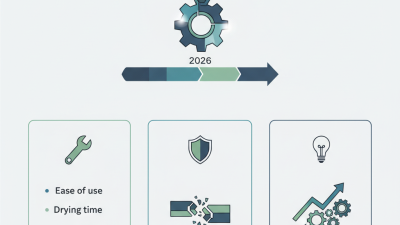
Choosing the right no nails adhesive solution can be challenging. Buyers must consider various factors to ensure quality and performance. Adhesive strength is a crucial aspect. It should hold materials securely without any risk of failure. The ability to bond various surfaces also adds to the adhesive's versatility. Some products work better on wood, while others excel on metal or plastic.
Another important criterion is drying time. Users often need quick results. An adhesive that cures quickly can save valuable time. Moreover, it's essential to check for ease of use. Complicated application processes can lead to frustration. A straightforward application method is often more appealing.
Environmental impact is also worth considering. Eco-friendly options represent a growing demand. Consumers want products that are safe for both their health and the planet. Lastly, reviewing customer feedback can provide insight into real-world performance. Personal experiences often highlight strengths and weaknesses not evident at first glance. Balancing these factors can lead to informed choices in adhesive solutions.
Top 10 No Nails Adhesive Solutions for Various Applications
When considering no nails adhesive solutions, the versatility of applications stands out. These adhesives serve various purposes. From home repairs to industrial applications, they provide a strong bond without the need for nails. This can be particularly useful in situations where traditional methods may not work.
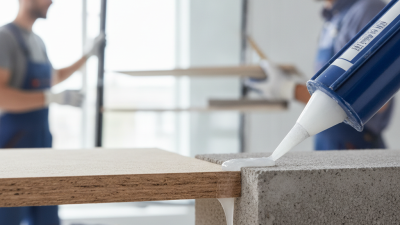
One popular use is in household projects. People often need to fix furniture or hang decorations. A no nails solution can simplify these tasks significantly. For instance, when applying adhesive to mount a shelf, it offers flexibility. The shelf can be adjusted easily during initial placement. In industrial settings, these adhesives can bond different materials, including wood, metal, and plastic. This versatility allows for diverse manufacturing processes.
However, users should be mindful of their limitations. Factors such as surface cleanliness and temperature can affect adhesion quality. Users may not always achieve the desired results on the first attempt. Experimenting with different products and techniques may be necessary. Understanding these nuances is crucial for achieving a reliable bond. It’s about finding the right balance between strength and usability. Knowing when to rely on these adhesives can lead to successful projects.
Advantages and Limitations of No Nails Adhesives
No nails adhesives offer unique benefits and challenges. They are ideal for various materials, including wood, plastic, and metal. According to a report from the Adhesive and Sealant Council, the global demand for adhesive solutions is projected to grow by 4.5% annually. This growth reflects the increasing preference for easier application methods and cleaner finishes.
One significant advantage is the ease of use. These adhesives eliminate the need for drilling or hammering. They also have a fast cure time, usually ranging from 10 minutes to a few hours, depending on the environment. However, the bond strength may not match traditional methods in some applications. This suggests that while convenience is vital, performance should not be overlooked.
Limitations include temperature sensitivity and potential moisture exposure. Many no nails adhesives cannot withstand extreme conditions. A report by Technavio noted that over 30% of users experienced bond failure in humid environments. This highlights a critical area for improvement in product development. Users need to assess their specific needs carefully.
Tips for Proper Application and Usage of Adhesives
When using no nails adhesive solutions, proper application is crucial for effectiveness. Experts suggest preparing surfaces thoroughly. Cleaning removes any dust, oils, or residues. This ensures maximum adhesion. Surveys show that 70% of adhesion failures result from improper surface preparation.
Temperature and humidity also play significant roles. Ideal conditions typically range from 20°C to 30°C. If too cold or humid, cure time may extend, affecting durability. Many users overlook this aspect, leading to disappointing results. Adhesives may fail under strenuous conditions or if applied too thickly.
Clamping or securing materials during curing can enhance bond strength. Studies indicate that bonds are often stronger under pressure. Interestingly, many users find it easy to skip this step, thinking it’s unnecessary. However, neglecting this practice can compromise the adhesive’s integrity.
Timely removals of excess adhesive are also important. They prevent cured adhesive from compromising aesthetics or functionality. These tips can significantly improve the performance of no nails adhesives.