What is Water-Based Adhesive Sealant and Its Benefits?
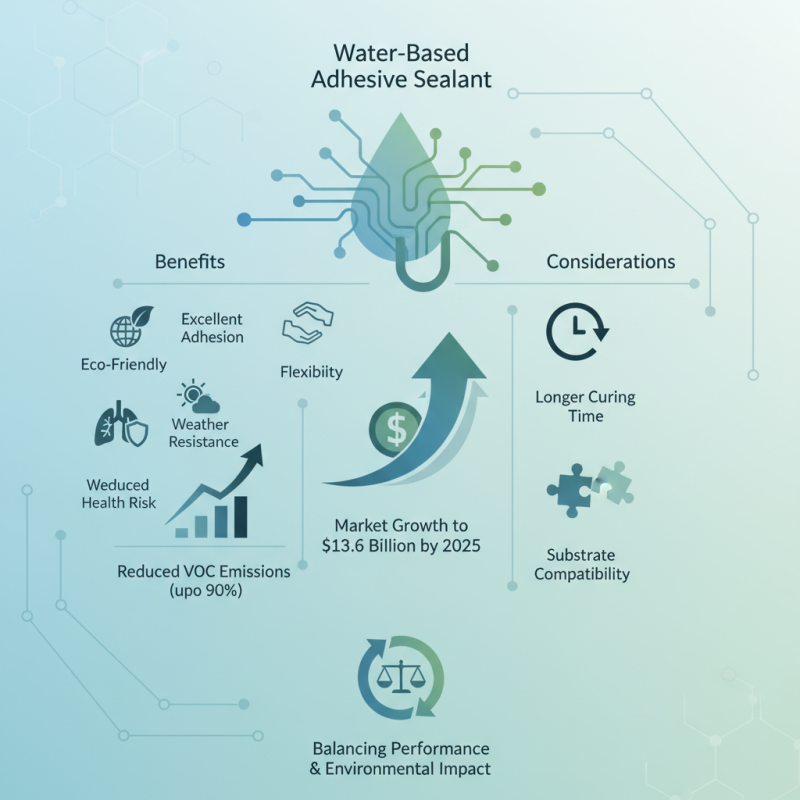
Water-Based Adhesive Sealant is an innovative solution widely adopted in various industries. This eco-friendly alternative is gaining traction due to its low environmental impact and multifunctional capabilities. According to a recent market analysis by Research and Markets, the global adhesive sealant market is projected to reach $13.6 billion by 2025. The demand for water-based products is a significant driver of this growth.
The advantages of Water-Based Adhesive Sealant are noteworthy. They offer excellent adhesion, flexibility, and resistance to weather conditions. Moreover, they are less harmful to health compared to solvent-based options. A report by the Adhesive and Sealant Council highlights that using water-based adhesives can reduce volatile organic compound (VOC) emissions by up to 90%. This transition not only benefits manufacturers but also significantly improves indoor air quality for consumers.
Despite these benefits, some challenges remain. Users might encounter longer curing times compared to solvent-based sealants. Furthermore, the performance can vary based on substrate compatibility. It is crucial to assess specific project requirements before selection. Balancing performance and environmental impact is central to the ongoing development of Water-Based Adhesive Sealant.
Definition of Water-Based Adhesive Sealant
Water-based adhesive sealants are versatile solutions widely used in construction and manufacturing. These sealants are formulated primarily with water as a solvent, making them environmentally friendly and easy to clean up. According to the Adhesive and Sealant Council, the water-based adhesive industry has grown significantly, with a projected CAGR of 4.5% between 2020 and 2026. This growth reflects the increasing demand for sustainable products.
One key benefit of water-based adhesive sealants is their low volatile organic compound (VOC) content. This feature makes them safer for users and the environment. Research indicates that using low-VOC products can reduce air pollution and improve indoor air quality. In addition, these sealants provide strong adhesion on various substrates, including wood, metal, and plastic, which enhances their versatility in applications.
Tip: Always test a small area before full application. This helps ensure compatibility with your substrate.
While water-based sealants offer numerous advantages, they must be carefully stored. Exposure to extreme temperatures can compromise their effectiveness. Additionally, moisture levels can affect curing times and adhesion strength. Users should be prepared to adapt their application methods based on these factors to achieve the best results.
Key Components of Water-Based Adhesive Sealant
Water-based adhesive sealants are gaining popularity due to their eco-friendly properties. They typically contain polymers like polyacrylate or polyurethane. These components create a strong bond while minimizing environmental impact. According to a market research report by Transparency Market Research, the demand for water-based sealants is projected to grow by over 5% annually until 2026. This trend reflects increased awareness of health and safety regulations.
The effectiveness of water-based adhesive sealants largely stems from their formulation. Water serves as the primary solvent, enabling a safe application process. These sealants usually dry clear and provide flexibility. However, their performance may vary based on environmental conditions. For instance, factors like humidity and temperature can affect the curing time and adhesion strength. A study published in the Journal of Adhesion Science and Technology highlighted that moisture levels during application significantly influence bonding results.
While many users appreciate water-based sealants for their low VOCs (Volatile Organic Compounds), they may require careful handling. Some sealants may not adhere well to certain surfaces, leading to potential failures. The formulation can create challenges when sealing porous materials. Continued research is essential to enhance their usability across various applications. Understanding these components is crucial for professionals aiming to achieve the best results.
What is Water-Based Adhesive Sealant and Its Benefits? - Key Components of Water-Based Adhesive Sealant
| Component |
Description |
Benefits |
| Water |
The primary solvent in water-based adhesives. |
Environmentally friendly and safe for indoor use. |
| Polymers |
Synthetic or natural compounds that create adhesive properties. |
Provides strong bonding strength and flexibility. |
| Additives |
Substances that enhance performance, such as preservatives and thickeners. |
Improves shelf life and application consistency. |
| Fillers |
Materials added to reduce cost and improve texture. |
Enhances adhesion on various surfaces. |
Advantages of Using Water-Based Adhesive Sealant
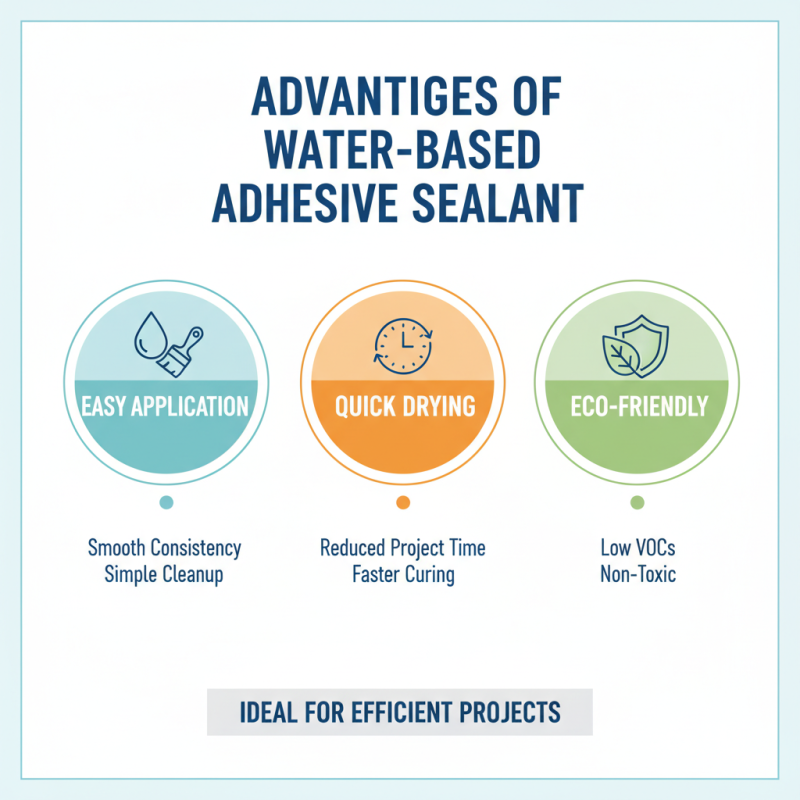
Water-based adhesive sealants are becoming popular in various industries. They offer many advantages over traditional solvent-based options. Their composition allows for easy application and quick drying times, making them ideal for projects that require efficiency.
One significant benefit of using water-based sealants is their low environmental impact. These sealants emit fewer volatile organic compounds (VOCs). This means they are safer for both users and the environment. Additionally, they have a milder odor, which makes them easier to work with in enclosed spaces. This is particularly crucial for indoor applications.
Water-based sealants also provide strong adhesion. They bond well to a variety of surfaces, including wood, metal, and plastic. However, it's important to note that not all projects may yield the desired performance. Sometimes, they may not be suitable for heavy-duty applications. Users should carefully assess their needs before making a selection. Understanding the specific requirements of a project can lead to better results with water-based sealants.
Common Applications of Water-Based Adhesive Sealant
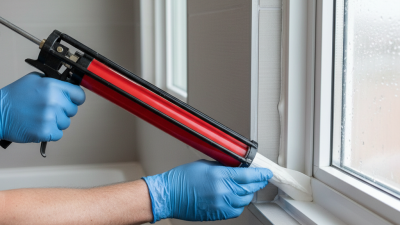
Water-based adhesive sealants are versatile products used across various industries. They offer excellent bonding capabilities while being eco-friendly. One crucial area where these sealants excel is in the construction sector. They are applied in sealing gaps between windows and doors, ensuring energy efficiency and reducing air leaks. Many builders trust their durability and flexibility, which helps in accommodating movement over time.
Another significant application is in the automotive industry. Water-based adhesive sealants are used in assembling and sealing parts of vehicles. They help to prevent water leaks and improve the overall structure. Notably, they contribute to weight reduction in cars, enhancing fuel efficiency. However, while they are generally effective, some users report challenges in curing times or adhesion under extreme conditions. This highlights the need for careful selection based on specific project requirements.
In woodworking, water-based adhesive sealants are favored for their ease of use and cleanup. Craftsmen utilize them to bond edges and fill gaps in furniture. Yet, they may not perform as well in high-moisture environments. Users should consider the conditions where the sealant will be applied. Understanding the limitations can lead to better project outcomes.
Environmental Impact and Safety Considerations
Water-based adhesive sealants are increasingly popular due to their ecological advantages. They have a lower environmental impact compared to solvent-based options. This is because they release fewer volatile organic compounds (VOCs) into the atmosphere. These compounds can contribute to air pollution and health issues. Using water-based alternatives helps in reducing harmful emissions, which is crucial for sustainable living.
Safety is another essential factor when considering these sealants. Water-based products are generally less toxic. They pose a lower risk during application, making them safer for both users and the environment. However, caution is still necessary. Proper ventilation is important, even with low VOCs. It is wise to follow safety guidelines to avoid respiratory irritation.
Despite their benefits, these sealants are not without challenges. Their performance can be affected by temperature and humidity. Sometimes they require longer curing times. Users must be aware of these factors when selecting a sealant for their projects. Reflecting on these aspects can help in making informed choices. Balancing performance and safety is key for effective usage.