Inquiry
Form loading...

What Is the Best Construction Adhesive in China?

Choosing the best Construction Adhesive in China requires more than comparing prices or reading bold product claims. The right choice depends on the materials, working conditions, and required bond strength.

In practical projects, adhesive performance can change between concrete, metal, glass, wood, and plastic. A product that holds firmly on a dry wall may fail on a damp bathroom surface. Temperature matters too. A winter installation in northern China is not equal to a summer project in Guangdong.

Small details matter.

Professional buyers should review technical data sheets, safety information, curing time, viscosity, and recommended application thickness. They should also check shear strength, peel resistance, water tolerance, and movement capability. Independent test reports or factory quality records can provide stronger evidence than marketing language.

The supplier’s experience is equally important. Reliable manufacturers can explain surface preparation, storage conditions, mixing requirements, and suitable primers. They should answer specific questions clearly, not simply promise “maximum strength.” Local production may offer faster delivery and customization, but quality consistency still needs verification.

A useful evaluation often begins with a sample test. Apply the adhesive to real project materials, then observe the bond after curing, moisture exposure, and temperature changes. Keep photographs and test notes.

No product wins every situation.

One selection may appear excellent but cure too slowly on site. Another may bond quickly yet become brittle after repeated movement. These weaknesses are easy to overlook. This guide examines China’s leading Construction Adhesive options through performance, reliability, technical support, and practical value, helping buyers make a more informed and realistic decision.
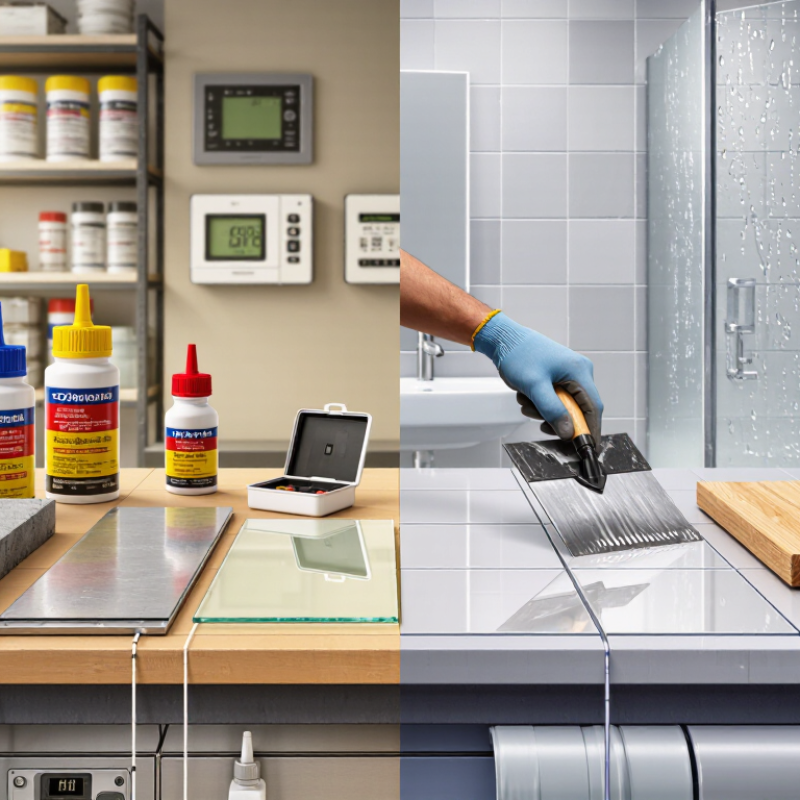
What Is the Best Construction Adhesive in China?

What Is Construction Adhesive and How Does It Work?

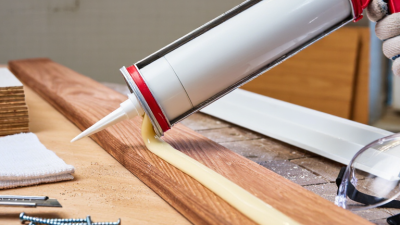
Construction adhesive is a high-strength bonding material used to join surfaces such as wood, concrete, metal, ceramics, and drywall. Unlike ordinary glue, it can fill small gaps and resist vibration, pressure, and movement. Its performance depends on chemistry, surface condition, temperature, and curing time.

Most construction adhesives work through chemical curing or moisture evaporation. Some formulas harden when exposed to air. Others react with moisture inside the materials. During installation, the adhesive spreads across both surfaces, wets their tiny irregularities, and forms a solid bond as it cures. Clean surfaces matter. Dust, oil, loose paint, and standing water can weaken the connection.

In Chinese construction projects, the “best” adhesive depends on the job, not the label. A bathroom repair needs strong moisture resistance. A wall panel may require low shrinkage and controlled application. On a cold site, curing can take longer than expected. Patience helps.

I once saw a bond fail because the installer applied too much adhesive. The thick layer stayed soft in the center. More material is not always better. A notched spread, correct pressure, and temporary support usually produce a stronger result. Always check compatibility before bonding plastics, painted surfaces, or porous stone. A small test area can reveal problems early, although it cannot replace technical instructions or proper site judgment.
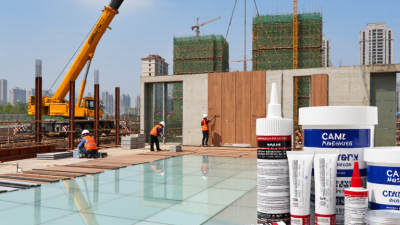
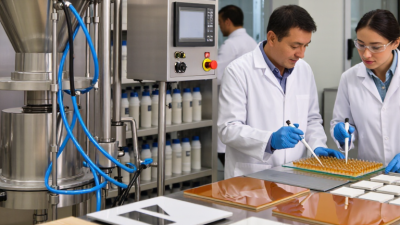
Which Types of Construction Adhesive Are Available in China?

What Is the Best Construction Adhesive in China?

Which Types of Construction Adhesive Are Available in China?

China offers several construction adhesive types for different materials and site conditions. Water-based acrylic adhesives suit interior wall panels, lightweight trim, and decorative boards. They produce less odor but need dry, absorbent surfaces. Polyurethane adhesives bond wood, concrete, metal, and insulation panels. They tolerate vibration and slight moisture, making them useful for demanding installation work. Epoxy adhesives provide strong structural bonding on concrete and metal. However, mixing ratios and curing time require careful control.

Modified silane polymer adhesives are popular for joints exposed to movement, humidity, and outdoor weather. They remain flexible after curing. Silicone-based products work well around glass, aluminum, sanitary areas, and façade gaps. Tile adhesives are usually cement-based, polymer-modified materials rather than traditional liquid glues. The best choice depends on the substrate, temperature, water exposure, load, and required curing speed. No single adhesive wins every project. This is where selection often becomes less simple than expected.

Tips: Clean dust and oil before application. Test one small area first. Check open time, curing conditions, and recommended thickness on the technical data sheet. For stone or coated metal, confirm staining and compatibility risks. A common mistake is choosing maximum strength instead of suitable flexibility. Recheck the joint after curing, because real site conditions can differ from laboratory results.

How to Compare Adhesive Strength, Durability, and Curing Time

What Is the Best Construction Adhesive in China?

The best construction adhesive depends on the joint, not the label. Compare lap-shear strength under ASTM D1002 conditions. Results are commonly reported in MPa, but substrate type, temperature, and bond-line thickness can change the outcome. A 2.0 MPa result on dry steel does not guarantee equal performance on damp concrete. Test both surfaces used on site. That detail is often missed.

Durability needs more than initial strength. Check resistance to moisture, heat, vibration, and aging cycles. ASTM C920 is useful for evaluating movement capability in sealant-like applications, while project specifications may require additional exposure testing. Curing time also matters. A product may reach handling strength within hours but require several days for full cure. The 2024 Grand View Research construction adhesives report estimated the global market at about USD 10 billion in 2023, reflecting strong demand for faster and more durable bonding systems. Faster is not always better. Poor curing can leave soft, weak areas inside the joint.

Tips: Compare technical data sheets using the same test method. Record temperature and humidity. Use a controlled sample test before full installation. I would also question unusually high strength claims without aging data. That extra check can prevent expensive repairs.

What Standards and Certifications Should Chinese Adhesives Meet?

What Is the Best Construction Adhesive in China?

What Standards and Certifications Should Chinese Adhesives Meet?

The best construction adhesive is not chosen by strength alone. It must match the substrate, moisture level, temperature, and indoor-air requirements. China’s National Bureau of Statistics valued construction output at about RMB 29.1 trillion in 2023. This scale increases the need for consistent testing and traceable production.

For indoor decoration, buyers should check compliance with GB 18583-2008. This standard limits harmful substances, including formaldehyde and benzene, in building adhesives. GB 33372-2020 also sets limits for volatile organic compounds. Ask for the full laboratory report, not only a certificate cover. The report should show test dates, sample numbers, and testing methods.

A practical site check matters. Apply adhesive to a clean concrete tile, then observe curing, odor, shrinkage, and bond failure. Small details reveal weak quality. China’s national indoor-air guideline uses 0.1 mg/m³ as the recommended formaldehyde limit for a 30-minute average, according to the World Health Organization’s air-quality guidance. Products for export may also need REACH documentation or ISO-based testing.

One point deserves reflection. A passed laboratory test cannot guarantee perfect performance on a dusty wall or damp floor. Storage conditions matter too. Containers exposed to heat may change before installation. Responsible suppliers should provide batch traceability, safety data sheets, and independent test evidence. Claims such as “zero VOC” require especially careful verification. Words are not measurements.

What Is the Best Construction Adhesive in China? - What Standards and Certifications Should Chinese Adhesives Meet?

Evaluation Dimension Typical Requirement or Standard What It Evaluates Suitable Adhesive Types or Applications Recommended Evidence Practical Importance
Product classification Define whether the product is a sealant, structural adhesive, tile adhesive, flooring adhesive, insulation adhesive, or general-purpose construction adhesive. Confirms that the product is being compared with technically similar materials rather than with products designed for a different function. All construction adhesive categories. Technical data sheet, intended-use statement, substrate list, and application instructions. Essential
Bond strength Use the test method specified for the relevant product category; common measurements include tensile strength, lap-shear strength, peel strength, or pull-off strength. Measures the adhesive’s ability to resist separation under a defined load and substrate condition. Metal, wood, concrete, ceramic, glass, insulation, panel, and mixed-substrate bonding. Independent laboratory report showing substrate type, surface preparation, curing time, temperature, and failure mode. High
Durability and aging Evaluate resistance to heat, moisture, freeze-thaw cycles, ultraviolet exposure, and prolonged load where relevant. Shows whether performance remains stable during the expected service life. Exterior façades, roofs, windows, bathrooms, kitchens, flooring, and high-humidity areas. Accelerated-aging results, water-resistance data, freeze-thaw results, and post-aging bond-strength testing. High
Elasticity and movement capability For joint sealants, assess movement capability and elastic recovery using the applicable sealant standard, such as ISO 11600 or relevant Chinese standards. Determines whether the material can accommodate thermal expansion, contraction, vibration, and substrate movement. Construction joints, window perimeters, curtain walls, façade panels, and expansion joints. Movement-classification results, elastic recovery, tensile adhesion, and cohesive-failure data. High for sealants; limited for rigid adhesives
Chinese harmful-substance limits GB 18583-2008 establishes limits for harmful substances in interior decoration and renovation adhesives. Controls substances such as formaldehyde, benzene, toluene, xylene, and total volatile organic compounds according to the product category. Interior construction adhesives, flooring adhesives, wood adhesives, and wall-covering adhesives. Test report from a competent laboratory using the applicable GB method and clearly identifying the product batch. Mandatory where applicable
VOC compliance GB 33372-2020 specifies limits for volatile organic compounds in adhesive products and classifies products by application and chemistry. Controls VOC emissions and supports compliance with Chinese environmental requirements for applicable adhesive products. Water-based, solvent-based, reactive, and other adhesive categories covered by the standard. VOC test report, product formulation category, test method, and declared limits. Mandatory where applicable
Silicone building sealant performance GB/T 14683-2017 applies to silicone and modified-silicone building sealants; GB 16776-2005 is relevant to structural silicone sealants. Addresses appearance, extrusion, adhesion, tensile properties, recovery, compatibility, and other sealant performance characteristics. Window and door joints, façade systems, glazing, and structural glazing applications where specified. Standard-specific test report, compatibility testing, substrate adhesion testing, and project-system approval where required. High for silicone sealants
Tile adhesive suitability Use the applicable Chinese tile-adhesive specification or the project-specified equivalent, with performance tested for the intended tile and substrate. Evaluates open time, slip, tensile adhesion, shear adhesion, water resistance, and deformability where specified. Ceramic tiles, porcelain tiles, stone, interior walls, floors, wet areas, and exterior applications. Classification, batch test results, substrate compatibility, and installation instructions. High
Fire performance Use the fire classification and test method required by the building project and applicable Chinese fire-safety regulations. Assesses reaction to fire, smoke production, flame spread, or fire resistance of the complete construction system where relevant. Fire-rated doors, façades, insulation systems, public buildings, transport facilities, and escape routes. Fire-test report for the exact formulation and system configuration; product claims alone are insufficient. Project-dependent
Quality-management certification ISO 9001 certification demonstrates that a quality-management system has been assessed against the standard. Reviews process control, documented procedures, corrective actions, traceability, and continual improvement. Manufacturers supplying consistent batches and controlled production. Valid certificate, certification scope, issuing body, production site, and expiry date. Useful but not a substitute for product testing
Laboratory competence Testing may be supported by laboratories recognized through China Metrology Accreditation (CMA) and, where applicable, laboratories accredited by CNAS. Provides confidence that sampling, measurement, calibration, and reporting follow controlled procedures. All adhesive categories, especially products used in regulated or public construction projects. Check accreditation marks, test scope, laboratory validity, sample identification, and report authenticity. High
Batch traceability and consistency The product should have a batch number, manufacturing date, shelf life, storage conditions, and retain-sample or quality-control records. Confirms that delivered material can be traced and that production quality remains consistent over time. Large projects, export orders, public works, and applications requiring warranty support. Certificate of analysis, batch records, incoming-material controls, and storage documentation. High
Installation and substrate compatibility Compatibility must be verified for the actual substrates, primers, coatings, moisture conditions, joint design, and curing environment. Reduces the risk of adhesion loss, staining, corrosion, bubbling, cracking, or premature failure. Concrete, masonry, wood, metal, glass, plastics, painted surfaces, insulation boards, and composite panels. Project mock-up, adhesion test, compatibility test, method statement, and installer training records. Essential
Selection principle: The best construction adhesive is not determined by bond strength alone. Product category, substrate compatibility, environmental exposure, VOC and harmful-substance limits, applicable Chinese standards, laboratory evidence, and installation conditions should all be reviewed before approval.

How to Choose the Best Construction Adhesive for Each Application

What Is the Best Construction Adhesive in China?

How to Choose the Best Construction Adhesive for Each Application

The best construction adhesive depends on the substrate, load, moisture, and installation temperature. Market research supports this practical approach. MarketsandMarkets estimated the global construction adhesives market at about USD 11 billion in 2023, with continued growth through 2028. Demand is rising, but product choice remains application-specific.

For bonding wood trim to drywall, choose a flexible adhesive with strong initial grab. For tiles, concrete panels, or masonry, use a formulation tested for porous mineral surfaces. Metal joints need high shear strength and controlled movement. Outdoor projects require resistance to water, ultraviolet exposure, and freeze-thaw cycles. The European Chemicals Agency also stresses that users must follow safety information and curing conditions.

Check the technical data sheet before buying. Look for tensile strength, open time, curing speed, and service temperature. ASTM D1002 is commonly used for comparative lap-shear testing, although laboratory results do not perfectly reproduce jobsite conditions. A small test area helps reveal dust, uneven surfaces, or poor compatibility. It takes minutes.

Do not judge quality by fast grab alone. A rigid adhesive may hold immediately, then fail when materials expand differently. This is an easy mistake. Surface preparation often matters more than advertised strength. Clean, dry, lightly roughened surfaces usually produce more reliable bonds. Still, real projects vary, so professional judgment remains necessary.