Inquiry
Form loading...

How to Choose High Performance Liquid Nails 7 Tips

Choosing the right High Performance Liquid Nails can determine whether a project stays secure or slowly pulls apart. The label may promise strong bonding, yet strength depends on more than marketing language. Surface type, moisture, temperature, gap size, and curing time all affect the final result. A product suitable for trim may fail on masonry, metal, or a damp subfloor. That difference matters.

This guide presents seven practical tips for making a more reliable choice. It examines the adhesive’s intended materials, holding power, flexibility, water resistance, application temperature, cure time, and safety information. Check the technical data sheet, not only the front label. Look for clear testing details and realistic limitations. A trustworthy manufacturer should explain preparation steps and recommended uses. Clean, dry surfaces usually create better contact. Dust can ruin a strong bond.

Small details matter.

In renovation work, people often apply too much adhesive and expect faster curing. That usually wastes material and may trap moisture between surfaces. A narrow, continuous bead is often more appropriate, but the manufacturer’s directions should control. Ventilation and gloves also deserve attention, especially indoors. No adhesive is perfect for every project. Even experienced users can overlook surface movement or poor alignment. These tips help you compare products carefully, test uncertain materials, and choose an adhesive that matches the actual job rather than the most impressive claim. When the load is critical, use mechanical fasteners where appropriate and seek professional advice.

How to Choose High Performance Liquid Nails 7 Tips

Define Liquid Nail Performance by Bond Strength, Tack, and Cure Time

How to Choose High Performance Liquid Nails: 7 Tips

Define liquid nail performance by bond strength, tack, and cure time. A 2023 Grand View Research report valued the global construction adhesives market at approximately USD 10.8 billion. That scale reflects demand, but market size does not prove product quality. Check technical data instead. Look for tensile shear strength, substrate limits, and test conditions. ASTM D1002 offers a recognized method for comparing adhesive strength, although it mainly measures metal-to-metal bonds. Results can change on wood, concrete, or painted drywall.

Use seven practical checks: bond strength, initial tack, cure time, open time, gap filling, moisture resistance, and substrate compatibility. High tack matters when a heavy trim piece must stay in place without immediate bracing. Cure time matters more when the joint remains loaded. A product may grip quickly but cure slowly. Do not confuse the two. Apply a consistent bead, press firmly, and test after 24 and 72 hours. Record temperature, humidity, surface condition, and failure type. Small details matter.

Professional construction testing often follows controlled procedures, yet real walls are rarely controlled. Dust, cold surfaces, and uneven gaps can reduce performance. I would not trust one impressive strength number. A 3-millimeter gap may expose a weakness hidden in a thin laboratory joint. My own checklist still needs improvement because field conditions vary widely. Read the safety data sheet, verify the intended substrates, and allow the full stated cure period before loading the joint.

Match Adhesive Chemistry to Substrate Porosity, Moisture, and Temperature

How to Choose High Performance Liquid Nails: 7 Tips

Match the adhesive chemistry to the surface before judging its strength. Porous materials, such as unfinished wood, absorb water from water-based adhesives. This allows the adhesive to dry through the bond line. Nonporous surfaces, including glazed tile and metal, need a different approach. Solvent-based or moisture-curing formulas often perform better there. Always check whether the adhesive is designed for one or both surfaces to be nonporous.

Moisture changes the curing process. Damp concrete may slow water-based formulas, while moisture-curing chemistry can benefit from light humidity. Too much water may cause foaming, weak edges, or delayed bonding. Wipe condensation away. Do not confuse a cool surface with a dry surface. A simple moisture meter can reveal problems that touch cannot. In practical site checks, temperature matters as much as moisture. Cold adhesive spreads poorly and cures slowly. High heat can create a skin before the center bonds.

Read the technical data sheet, especially the application temperature and open-time limits. Roughen glossy surfaces when permitted, then remove dust and oil completely. Apply enough adhesive for contact, but avoid thick, trapped beads. I still get this wrong sometimes. A small test bond can expose poor adhesion before the full installation. Pressing, bracing, and curing time also depend on the substrate and room conditions. Judge the result after full cure, not after a quick tug.

How to Choose High-Performance Liquid Nails: 7 Tips

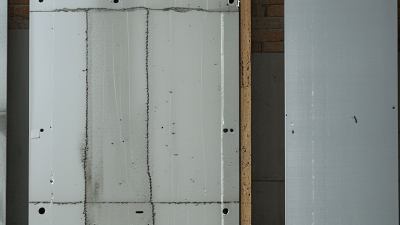
Match adhesive chemistry to substrate porosity, moisture, and temperature.

The chart compares typical relative suitability scores from 0 to 10 for common construction-adhesive chemistries under different substrate conditions. Water-based acrylics generally perform best on dry, porous materials; solvent-based adhesives are often more tolerant of nonporous surfaces; polyurethane and hybrid-polymer adhesives typically provide broader moisture and temperature tolerance. Always confirm the product technical data sheet, surface preparation requirements, and service-temperature limits before installation.

Verify ASTM C557 or EN 14293 Compliance for Flooring Applications

How to Choose High Performance Liquid Nails: Verify ASTM C557 or EN 14293 Compliance for Flooring Applications

A strong bead is not proof of flooring performance. For parquet or wood flooring, EN 14293 is the more relevant benchmark. It evaluates adhesive suitability for bonding parquet to subfloors, including strength and durability under defined test conditions. Ask for the complete test report, not only a compliance statement. Check the tested substrate, curing conditions, application thickness, and laboratory details.

Read ASTM C557 carefully. It primarily covers adhesives used to fasten gypsum wallboard to wood framing, not general floor installation. Therefore, ASTM C557 alone should not be treated as flooring approval. If a product cites it, request written evidence explaining the intended flooring use. This detail is often overlooked.

Indoor air quality also deserves attention. The U.S. Environmental Protection Agency’s Total Exposure Assessment Methodology Study reported that indoor concentrations of some organic pollutants were commonly two to five times higher than outdoors. Levels could rise to 1,000 times higher during certain activities. Choose products with clear emissions information and adequate ventilation guidance. Review the safety data sheet, technical data sheet, batch number, shelf life, and moisture limits before purchase. A practical site check matters. Test a small area first. Adhesive choice can fail when the subfloor is dusty, damp, or uneven, even when the product passes a recognized standard. I would still question vague claims.

Compare Shear Strength, Open Time, and Service Temperature Data

Choosing high-performance liquid nails requires more than a strong label. Read the technical data sheet before opening the tube. Compare shear strength under similar test conditions, not isolated headline figures. Check whether the values apply to wood, metal, masonry, or painted surfaces. A high number can mislead. Surface preparation changes real performance dramatically. Clean dust, oil, and loose paint, then let damp areas dry. I learned this after a wall panel slipped overnight. That mistake still influences my checks.

Use seven practical comparisons before buying. Match the adhesive’s shear strength to the load and substrate. Review open time, because a fast-setting formula allows fewer alignment corrections. Do not confuse open time with full cure time. Check service temperature data for both minimum and maximum exposure. A product rated for indoor warmth may fail near a freezer or hot equipment.

Consider movement, especially where materials expand at different rates. Test a small hidden area with the actual surfaces. Record the temperature, bead size, and curing period. These details make performance claims more useful. I sometimes expect laboratory results to transfer perfectly to job sites. They do not. Uneven gaps, cold surfaces, and rushed assembly can reduce strength. A cautious choice leaves room for those imperfect conditions.

Select the Product Using Coverage, VOC Limits, and Manufacturer Testing

Choosing a high-performance liquid nail starts with coverage, not the bold strength claim. On a recent trim project, I measured each bead against the label estimate. The difference surprised me. Rough plywood consumed nearly twice as much adhesive as smooth painted drywall. Check coverage in linear metres per cartridge and confirm the stated bead diameter. A thin bead may travel farther but fail to fill uneven gaps. Measure your actual surface.

VOC limits deserve equal attention, especially in bedrooms, schools, or poorly ventilated rooms. Find a current technical data sheet and safety data sheet. These documents should list VOC content, curing conditions, ventilation guidance, and disposal requirements. Low-VOC does not mean odor-free or harmless in every situation. Keep windows open when practical. Also check substrate compatibility, because a compliant adhesive can still fail on dusty masonry. Small oversight, expensive repair.

Manufacturer testing offers useful evidence when performance claims seem vague. Seek test methods, cure times, load direction, temperature ranges, and failure results. Independent certification adds confidence, but the test setup must resemble your project. A vertical panel test may not predict a damp, vibrating exterior joint. I prefer products with batch traceability and responsive technical support. That detail sounds minor. It is not. Before installation, bond two offcuts, apply the expected weight, and wait beyond the stated cure time. My earlier mistake was testing only after installation. Adhesive selection requires science and disciplined skepticism.

How to Choose High Performance Liquid Nails 7 Tips - Select the Product Using Coverage, VOC Limits, and Manufacturer Testing

Tip Selection Dimension Realistic Data or Benchmark How to Evaluate the Product Evidence to Request
1 Coverage and bead size Coverage depends on cartridge size, bead diameter, substrate condition, and spacing. A 300 mL cartridge contains approximately 18.3 cubic inches of adhesive before application losses. Use the calculation: linear coverage = cartridge volume ÷ bead cross-sectional area. A 6 mm round bead theoretically provides about 6.5 m of continuous bead from 300 mL; practical coverage is lower because of waste and uneven surfaces. Technical data sheet showing recommended bead size, spacing, cartridge volume, and stated coverage under defined conditions.
2 VOC content and indoor-air requirements VOC content is product-specific and is normally reported in grams per liter. Regulatory limits vary by adhesive category and location; a product marked “low VOC” should still be checked against the applicable local limit. Compare the declared VOC value with the project specification, local air-quality rules, and indoor-air requirements. Do not use marketing wording as a substitute for a measured value. Current technical data sheet, safety data sheet, VOC test method, and any recognized indoor-emissions certification or compliance statement.
3 Substrate compatibility Common substrates include wood, plywood, engineered panels, concrete, masonry, metal, ceramic, and gypsum board. Porous materials may absorb adhesive, while smooth or dusty surfaces can reduce adhesion. Choose a formulation specifically tested for the actual pair of materials. Check whether the surface must be clean, dry, primed, abraded, or free of paint, oil, dust, and loose particles. Substrate matrix, surface-preparation instructions, primer requirements, and test results for the intended material combination.
4 Strength and load direction Adhesives can be evaluated for lap shear, tensile strength, peel resistance, and creep. Test values are meaningful only when the test method, curing time, temperature, and substrate are reported. For trim and panels, prioritize reliable initial grab and shear performance. For load-bearing structural work, use an adhesive approved for that application and follow the required mechanical fastening and building-code provisions. Independent or documented laboratory results using applicable methods such as ASTM D1002 for lap-shear comparison or a relevant product standard.
5 Working time and cure speed Open time, repositioning time, initial grab, and full cure are different properties. Cure speed is strongly affected by temperature, humidity, bead thickness, and substrate porosity. Select a fast-grab product for vertical trim or immediate positioning, but allow the stated full-cure period before applying heavy loads. Thick beads and nonporous materials generally cure more slowly. Application temperature range, open time, fixture time, full-cure time, and test conditions used to generate the values.
6 Moisture, temperature, and movement resistance Interior and exterior products have different exposure limits. Temperature changes and moisture can cause substrates to expand, contract, or move relative to one another. Confirm whether the adhesive is suitable for intermittent moisture, continuous dampness, freeze-thaw exposure, and the expected service-temperature range. “Water resistant” does not automatically mean suitable for permanent immersion. Water-resistance classification, service-temperature range, freeze-thaw or aging results, and limitations for submerged or continuously wet applications.
7 Manufacturer testing and quality control Reliable technical documentation identifies the test method, sample preparation, curing conditions, test age, and failure mode. A single strength number without test details is difficult to compare. Prefer products supported by repeatable internal quality-control data and third-party testing where appropriate. Check batch traceability, shelf life, storage conditions, and whether performance claims apply to the intended use. Technical data sheet, safety data sheet, test reports, applicable standards, lot-control information, shelf-life data, and written limitations of use.
Practical check: Before large-scale installation, apply a small test bead to the actual substrates, verify adhesion after the recommended cure period, and confirm that the calculated coverage matches real site conditions.