How to Choose the Best Nail Free Glue for Your Projects?
Choosing the right Nail Free Glue for your projects can be daunting. Expert Sarah Jenkins, a renowned adhesive specialist, emphasizes, "The right glue can make or break your project." This highlights the importance of understanding your options.
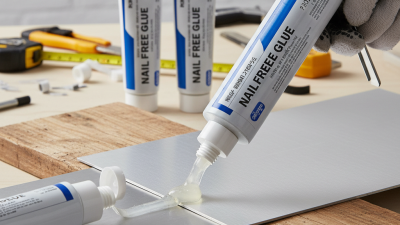
Nail Free Glue has gained popularity due to its versatility and ease of use. Whether you are working on woodworking or crafting, the right adhesive can save time and enhance results. Selecting a high-quality product is crucial for durability and strength.
However, not all Nail Free Glue is created equal. Some might not hold up under stress, while others may dry too quickly, complicating application. It's important to reflect on your project's needs. Be aware of an adhesive's specific features and limitations before making a choice. Finding the perfect balance between quality and application should be the goal.
Factors to Consider When Choosing Nail Free Glue for Crafts
Selecting the right nail-free glue for crafts can be challenging. Understanding the main factors is essential to make a wise choice. First, consider the materials you're working with. Different glues bond better with specific materials, such as wood, fabric, or plastic. Knowing your project can guide you to the most suitable type. For instance, a glue strong enough for wood might not work well on delicate fabrics.
Tips: Test a small area before committing. This can save you time and avoid potential disasters. Sometimes, a glue can look perfect but may not hold as expected. Ensure compatibility is key in your selection process.
Another vital factor is the drying time. Some projects require a fast-drying glue, while others may benefit from a slower-setting option. Fast-drying glues offer quick solutions but can be less forgiving if adjustments are needed. Meanwhile, slower-setting glues allow more flexibility in positioning materials.
Every user's preference will vary. Take the time to reflect on what features matter most to you. Assess your crafting style and project needs to determine your glue's requirements. Each craft is unique, and the glue should complement that individuality.
Types of Nail Free Glue and Their Suitable Applications
When it comes to nail-free glue, various types cater to different applications. Understanding these types helps in selecting the best option for your project. Common nail-free glues include polyurethane, cyanoacrylate, and PVA (polyvinyl acetate). Each has unique properties suited for specific materials.
Polyurethane glue is versatile. It bonds well with wood, metal, and concrete. According to industry reports, it offers significant durability and water resistance, making it ideal for outdoor projects. However, it requires moisture to cure effectively, so it may not work well in dry conditions.
Cyanoacrylate glue, or super glue, cures quickly. It works best on small, non-porous surfaces like plastics and ceramics. Users appreciate its fast bonding time, but it can become brittle over time, especially with exposure to moisture or heat. For heavier items, a less brittle adhesive might be advisable.
PVA glue is often used in woodworking. It's easy to clean up with water and sands well, making it a favorite among DIY enthusiasts. However, it is not water-resistant after curing. Think carefully about your project's requirements before choosing your glue.
Tips:
- Test your glue on a small area first.
- Check the curing conditions required for optimal bond strength.
- Remember, not all glues are suited for all materials.
Performance Characteristics: Strength, Flexibility, and Drying Time
When choosing nail-free glue, it's essential to consider performance characteristics such as strength, flexibility, and drying time. A strong adhesive can bond various materials like wood, metal, and plastic. According to industry reports, adhesives that provide over 3000 PSI in tensile strength can support heavy-duty applications effectively. Choosing a glue with high bonding strength ensures that your projects remain durable and resilient under stress.
Flexibility is another crucial factor. For projects that may experience movement or vibrations, a flexible adhesive prevents cracking and maintains integrity. Reports suggest that glue with 100% elongation can adapt to structural changes without compromising the bond. Consider how the flexibility of the adhesive aligns with the materials you are using. Rigid glues may not be ideal for situations where movement is expected.
Drying time plays a vital role in the workflow of projects. Some adhesives cure within minutes, while others take longer. Fast-curing options can be beneficial for quick repairs, but may not always allow for adjustments. While a quick bond can be appealing, it may lead to rushed applications. Evaluate your project's needs and whether you require quick bonding or the option to reposition materials. The right adhesive balances these performance characteristics, ensuring a successful outcome.
How to Choose the Best Nail Free Glue for Your Projects? - Performance Characteristics: Strength, Flexibility, and Drying Time
| Glue Type |
Strength (lbs/in²) |
Flexibility (Shore A) |
Drying Time (minutes) |
Heat Resistance (°F) |
| Polyurethane |
350 |
30 |
60 |
200 |
| Silicone |
230 |
20 |
120 |
180 |
| Epoxy |
600 |
10 |
20 |
250 |
| PVA (White Glue) |
150 |
40 |
120 |
120 |
| Cyanoacrylate (Super Glue) |
400 |
5 |
10 |
200 |
Safety and Environmental Considerations for Nail Free Adhesives
When selecting a nail free glue, safety and environmental factors should be top of mind. Many adhesives contain volatile organic compounds (VOCs), which can be harmful. A 2022 report by the Environmental Protection Agency (EPA) states that products with high VOC emissions contribute to air pollution and can affect indoor air quality. Choosing low-VOC or VOC-free adhesives can minimize health risks for users and occupants.
Many consumers overlook ingredient transparency. Research indicates that 75% of consumers want brands to disclose ingredient safety information. Awareness of hazardous materials can prevent accidents during application. Users should look for products labeled as non-toxic or eco-friendly. These options often use plant-based ingredients, which significantly reduce environmental impact.
However, finding truly safe adhesives is not without challenges. Some eco-friendly glues can be pricier or less effective for certain projects. Balancing cost, effectiveness, and safety often requires thorough research. Users may grapple with product choices that seem perfect but lack comprehensive safety data. Exploring third-party laboratory tests can provide valuable insights into adhesive performance and environmental impact, helping to make a more informed choice.
Comparative Analysis of Popular Nail Free Glue Brands on the Market
In today's marketplace, selecting the right nail-free glue can be daunting. A comparative analysis of popular brands shows significant variances in performance, application ease, and drying times. A report from the Adhesive and Sealant Council indicates that 70% of DIY enthusiasts prioritize adhesion strength when choosing glue. However, many overlook the importance of drying time and cleanup ease.
One notable finding involves flexibility. Some glues excel in bonding various materials, while others are rigid once set. This rigidity may result in cracking under stress, highlighting the need for careful selection. For projects that involve both porous and non-porous surfaces, consider testing a few products to find the best fit.
Tip: Apply glue in a controlled environment with consistent temperature and humidity for optimal results. This simple yet effective approach can enhance bond strength and durability.
Market analysis shows that water-based glues tend to be less toxic, making them an appealing choice for home use. Additionally, many brands promote their eco-friendliness, but be wary. Not all marketed "green" options perform on par with traditional adhesives, which brings up questions regarding reliability. Knowing the composition and intended use of each product is vital for informed decision-making.
Comparative Analysis of Popular Nail Free Glue Brands