Top 10 Tips for Choosing the Best Construction Adhesive Glue?
Choosing the right construction adhesive glue can significantly impact your project’s success. With countless options available, making an informed decision is crucial. This guide will help you navigate the landscape of adhesives, emphasizing factors that ensure you select the best options for your specific needs.
Good construction adhesive glue should bond securely to various materials. However, not all adhesives are created equal. Some may perform well in specific environments but fail in others. For instance, certain adhesives work well in dry conditions but struggle with moisture. Misjudgment here could lead to project failure.
Consider your project requirements carefully. The adhesive's strength, drying time, and temperature resistance are essential. Testing a small area before full application can also save you time and resources. Sometimes, despite our best efforts, the glue may not work as expected, prompting a reassessment of choices. A reliable adhesive will provide the durability your project needs, but choosing wisely demands research and experimentation.
Understanding Different Types of Construction Adhesives and Their Uses
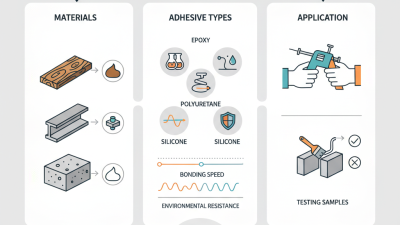
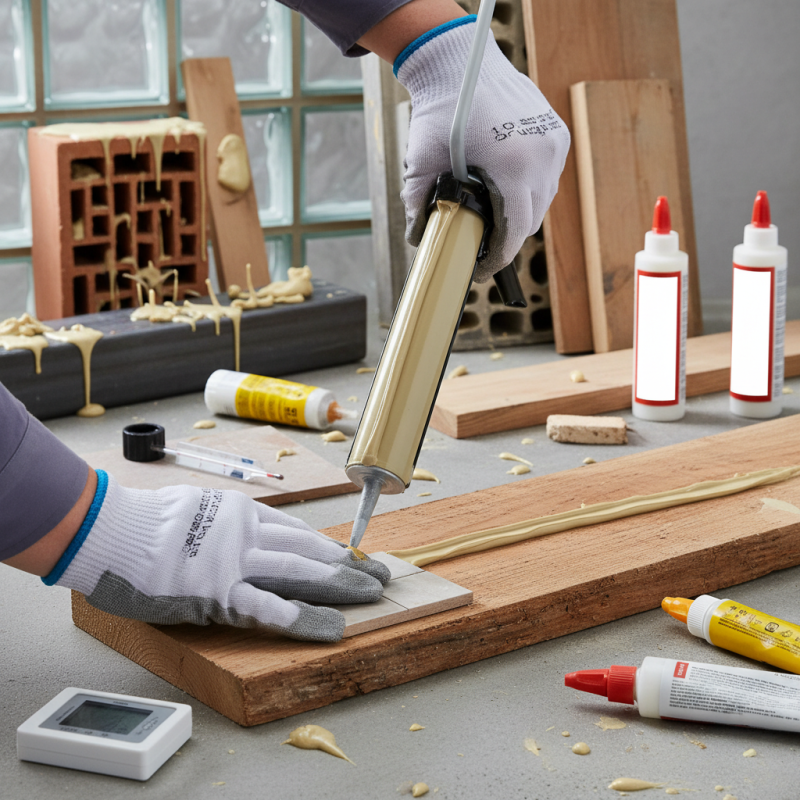
Choosing the right construction adhesive is crucial for the success of your project. Understanding the different types available can help guide your decision. Construction adhesives fall into several categories, including polyurethane, epoxy, and rubber-based adhesives. Each type has specific applications based on its bonding strength and flexibility. For instance, polyurethane is great for outdoor projects, while epoxy is ideal for heavy-duty tasks.
When selecting an adhesive, consider the materials involved. Wood, metal, and concrete each require a specific type of glue. The width of the joint can also influence your choice. Thicker joints may need a more robust adhesive. A common mistake is not reading the instructions. Poor application can lead to weak bonds and costly repairs.
Here are a few tips: always test the adhesive on a small area first. This will reveal how the materials interact. Keep the workspace clean for better adhesion. Don’t rush the curing process; patience often yields better results. Make sure to check the temperature requirements, as some adhesives perform poorly in extreme conditions. Taking these steps will enhance the reliability of your bond and ultimately the strength of your construction project.
Factors to Consider for Bond Strength and Durability in Adhesive Selection
When selecting a construction adhesive,
bond strength and durability are crucial. Different adhesives offer varied strength and longevity.
Consider the materials you are working with. For example, wood to wood requires different adhesives than metal to plastic.
According to industry reports, the right adhesive can improve bond strength by up to 50%.
Temperature fluctuations and moisture levels also play a key role in adhesive performance.
Some adhesives perform better in high humidity, while others are ideal for dry environments.
Testing under actual conditions is important.
Many users overlook this step, leading to bond failures.
Tip: Evaluate your project's environment before making a choice.
Durability should not be underestimated.
Look for adhesives with long-term performance data.
Adhesives with high shear strength ratings indicate better durability.
Some adhesives can even withstand extreme weather conditions,
extending the longevity of your projects.
Tip: Seek adhesives with certifications,
ensuring they meet industry standards.
In many cases, users may select an adhesive based on convenience rather than specifications.
This can compromise the integrity of the bond.
Always ensure that your adhesive choice aligns with your specific construction needs.
Evaluating Environmental Resistance: Water, Heat, and Chemicals
When selecting the best construction adhesive, understanding environmental resistance is crucial. Look for adhesives that can withstand water, heat, and chemicals. Waterproof properties are essential for any application in damp environments. Consider how prolonged exposure to moisture affects adhesion.
Heat resistance is another factor to evaluate. Some adhesives can degrade or lose strength at high temperatures. Ensure that your adhesive can endure the specific conditions of your project, especially if it will be exposed to direct sunlight or heat sources.
A key tip is to test adhesive performance before full application. Apply small samples and expose them to the relevant conditions. Each adhesive has its strengths and weaknesses, and testing can reveal these nuances. Additionally, consider the chemical resistance of your chosen glue. Specific industries may require adhesives that can withstand harsh chemicals without breaking down.
Choosing the right adhesive calls for thorough research. Don't rush into decisions based solely on specifications. Reflect on the application environment to ensure compatibility. A small oversight can lead to significant issues down the line, so careful evaluation is essential.
Environmental Resistance of Common Construction Adhesives
Importance of Curing Time and Application Method for Adhesive Effectiveness
When selecting a construction adhesive, understanding curing time and application method is crucial. Curing time impacts adhesive strength significantly. Many adhesives require a specific period to bond effectively. According to recent industry reports, adhesives that cure too quickly may not achieve full strength. A slow-curing adhesive often provides a stronger, more durable bond.
In terms of application method, surface preparation plays an essential role. Clean, dry surfaces encourage better adhesion. Roughening surfaces can also enhance the bonding area, making the adhesive more effective. Choosing the right technique depends on project requirements. For large areas, consider using a caulk gun for even application. A brush can work well for smaller projects.
It is wise to test a small area before full application. Many contractors emphasize this practice. Testing helps identify potential issues with curing time or compatibility. Remember that each adhesive has unique characteristics, and understanding these can lead to better long-term results. The right choice in adhesive can save time, ensuring projects stay on schedule while maintaining quality.
Analyzing Cost-Effectiveness and Manufacturer Reputation in Adhesive Choice
When selecting construction adhesive glue, the balance between cost-effectiveness and manufacturer reputation is crucial. Industry reports indicate that adhesives can vary widely in price, from $5 to over $30 per tube. Understanding this cost spectrum helps project managers allocate budgets wisely. A reputable manufacturer often reflects quality. Consider researching their history and customer reviews. Data from the Adhesive and Sealant Council shows that established brands typically offer better longevity and performance.
One key tip is to check the technical specifications of the adhesive. Look for bond strength, curing time, and versatility. Adhesives with higher bond strength often save costs over time by reducing the need for repairs. It’s also wise to consider the adhesive's application environment. A product suited for outdoor use will outperform an indoor option exposed to humidity.
Moreover, consider smaller manufacturers. They may offer competitive pricing but require vetting. Inspect their certifications and product testing data. Market research reveals that many lesser-known brands can provide high-quality options at a fraction of the cost. Ultimately, the right adhesive should align with both your budget and project demands, ensuring a reliable and effective construction process.